Your Ultimate Guide to Effective Preparation for Testosterone Blood Tests Through Fasting in the UK
Why Is Fasting a Critical Requirement Before Undergoing a Testosterone Blood Test in the UK?

Fasting is a pivotal preparatory step prior to undergoing a testosterone blood test as it ensures that the body remains in a consistent physiological state, free from any dietary influences that could distort the levels of testosterone. In the UK, healthcare professionals recommend a fasting duration of 8 to 12 hours to improve the precision of the test results. This careful preparation is essential for healthcare providers to accurately assess hormonal levels and make well-informed decisions regarding health management. To optimise testing outcomes, patients should adhere to the following guidelines:
- Completely avoid all food and beverages (except water) for a minimum of 8 to 12 hours prior to the test.
- Consult with your GP regarding any medications that might need to be taken during the fasting phase.
- Stay hydrated by drinking plenty of plain water leading up to the test.
- Avoid intense exercise or strenuous physical activity the day before the test.
- Inform your healthcare provider about any existing medical conditions.
The Essential Role of NHS Services in Facilitating Testosterone Blood Testing
The National Health Service (NHS) in the UK plays an essential role in providing access to testosterone blood tests for individuals who present concerning symptoms such as fatigue and reduced libido, which can affect individuals across all genders. By enforcing strict fasting protocols, the NHS ensures that test outcomes are both consistent and reliable. This consistency is crucial for healthcare providers, allowing them to make well-informed decisions regarding treatment and management of hormonal health. The NHS’s unwavering dedication to quality care is apparent in its systematic approach to testing and patient support.
What Symptoms Indicate the Need for Testosterone Testing in UK Clinics?
In the UK, many individuals seek testosterone blood tests through their general practitioners (GPs) for a variety of reasons, primarily linked to symptoms that suggest hormonal imbalance. Common conditions that prompt testing include low libido, constant fatigue, and mood swings. By strictly adhering to fasting requirements before the test, patients assist clinicians in obtaining accurate readings, which are vital for precise diagnoses. This comprehensive diagnostic approach is essential for developing effective treatment plans tailored to individual health needs, ultimately improving patient outcomes and promoting better health management.
What Is the Recommended Fasting Duration and Timing for Accurate Testosterone Results in the UK?
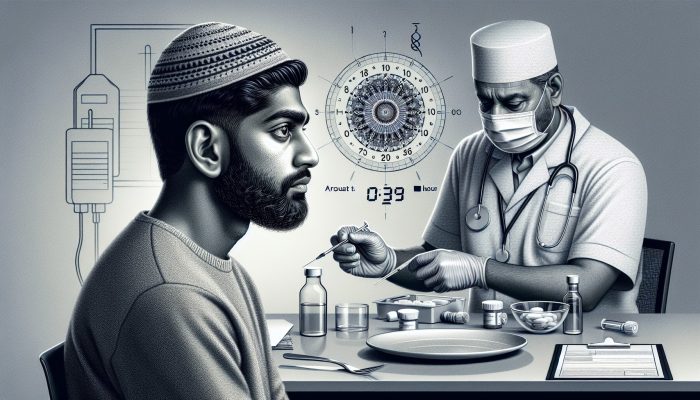
In the UK, the advised fasting period before a testosterone blood test generally ranges from 8 to 12 hours. Adhering strictly to this timeframe is crucial, as it prevents recent food intake from impacting hormone levels, which are known to fluctuate based on dietary habits. This careful timing is designed to produce reliable results, aiding clinicians in making accurate assessments and offering personalised advice for their patients. Proper fasting not only enhances the accuracy of the test but also enriches the overall healthcare experience for patients seeking hormonal evaluation.
What Risks May Arise From Insufficient Fasting Prior to Testosterone Testing in the UK?
Not adhering to fasting guidelines before a testosterone blood test in the UK can result in inaccurate results, leading to misdiagnosis or unsuitable treatment plans. Healthcare professionals consistently highlight the importance of following NHS fasting protocols to minimise these risks. By complying with these guidelines, patients ensure they receive the most accurate evaluation of their hormonal health, which facilitates improved health management outcomes and encourages proactive engagement with healthcare services.
How Does Fasting Influence the Results of Testosterone Blood Testing?
What Essential Steps Should Be Taken During the Fasting Process?

The fasting process for a testosterone blood test involves more than just refraining from food; it requires a commitment to a specific regimen designed to maximise test accuracy. Patients are advised to completely avoid all foods and certain beverages, including coffee and tea with milk, during the fasting period, as these can disrupt hormonal stability. Following the guidelines set forth by UK healthcare professionals is essential, as this precaution helps maintain hormonal balance and ensures that test results truly reflect the body’s physiological conditions. By diligently following these steps, patients significantly contribute to the integrity of the testing process, ensuring reliable outcomes.
What Is the Procedure for Collecting Blood Samples in UK Clinics?
After completing the fasting period, blood samples for testosterone testing are collected through a straightforward vein puncture in UK laboratories. This procedure is usually quick and is performed by trained professionals who strive to ensure minimal discomfort for the patient. Once collected, the sample is promptly processed for testosterone analysis—a method designed to yield trustworthy results that healthcare providers can interpret with confidence. This streamlined approach reinforces the UK’s commitment to patient comfort and high-quality care throughout the testing experience, highlighting the importance of proper preparation.
What Variations Might Exist Based on Health Guidelines in the UK?
While the standard fasting period for testosterone testing typically spans 8 to 12 hours, variations may be implemented based on individual health circumstances or specific regional guidelines within the UK. These adjustments prioritise patient safety and comfort while consistently aiming for accurate testosterone level assessments. Healthcare providers might tailor fasting recommendations based on a patient’s medical history, current medications, or existing health conditions, ensuring the best possible outcomes for each individual. This personalised approach reflects the NHS’s commitment to customised healthcare solutions that cater to the unique needs of patients.
Why Is Fasting Crucial for Achieving Accurate Testosterone Test Results?
Fasting before a testosterone blood test is essential because it stabilises hormone levels, preventing fluctuations that could distort results. UK healthcare providers stress that following fasting protocols is critical for establishing a true baseline of testosterone levels. Such accuracy is vital for diagnosing conditions related to hormonal imbalances, which can significantly affect a patient’s overall health and wellbeing. By ensuring that results accurately reflect the patient’s true hormonal status, clinicians can provide well-informed treatment recommendations and enhance patient outcomes, facilitating effective health management.
What Risks Should Be Acknowledged During the Fasting Period?
While fasting for testosterone testing is generally safe, potential risks, such as low blood sugar or dehydration, may occur. However, these risks are minimal when patients adhere to NHS guidelines. It is essential to remain adequately hydrated by drinking water, and after the test, patients should consume a light meal to replenish energy levels. Furthermore, communicating any discomfort to healthcare providers during the fasting period is vital to ensure safety and comfort throughout the process. Taking proactive measures regarding health and wellbeing during fasting can significantly enhance the overall testing experience.
Expert Perspectives on Fasting for Testosterone Blood Tests
What Key Factors Affect the Accuracy of Testosterone Tests in the UK?
The accuracy of testosterone blood tests can be influenced by various lifestyle factors, including stress levels, sleep quality, and physical activity. Experts in UK endocrinology highlight fasting as a crucial component in this context. Research indicates that individuals with irregular eating patterns may display fluctuating testosterone levels, obscuring diagnostic clarity. By adhering to fasting protocols, patients help mitigate these issues, allowing for a clearer understanding of their hormonal health. Addressing these factors can lead to more reliable testing outcomes and improved health assessments for patients seeking to optimise their wellbeing.
How Do Professionals Suggest Patients Prepare for a Testosterone Test?
Preparing for a testosterone blood test involves more than simply fasting; it necessitates informed communication with healthcare providers. UK specialists recommend discussing any health concerns or medications with your GP to ensure optimal preparation. Adequate hydration is also emphasised; drinking enough water can facilitate blood sample collection and enhance overall comfort during the procedure. Implementing these actionable steps not only leads to more accurate test results but also fosters a collaborative relationship between patients and healthcare professionals, improving the overall healthcare experience and patient satisfaction.
How Can Patients Effectively Interpret Their Results with Professional Guidance?
After undergoing a testosterone blood test, it is crucial to consult with qualified medical professionals for accurate interpretation of the results. Experts in the UK advocate for detailed discussions regarding testosterone levels and their implications for health. Understanding these results is important for patients, as it can inform treatment options, lifestyle changes, or further testing if necessary. This professional guidance empowers patients to make informed decisions about their health and encourages active engagement in their healthcare journey, fostering a proactive approach to health management.
What Are the Benefits of Fasting Prior to a Testosterone Blood Test?
How Does Fasting Improve the Reliability of Testosterone Tests?
Fasting greatly enhances the reliability of testosterone blood tests by preventing dietary fluctuations that may interfere with hormone levels. This practice is strongly endorsed in UK medical guidelines, as it allows healthcare providers to obtain a more accurate representation of a patient’s hormonal status. With reduced variability in test results, clinicians can make more informed decisions regarding diagnosis and treatment, ultimately leading to better health outcomes for patients. This commitment to accuracy is vital for providing quality care and effective treatment plans that cater to individual health needs.
What Advantages Do Patients Experience Within the UK Healthcare System?
Fasting before a testosterone blood test offers significant advantages for patients within the UK healthcare system. The enhanced accuracy of test results aids in diagnosing conditions such as hypogonadism, allowing for timely interventions and appropriate therapeutic measures. By ensuring precise data collection, patients are more likely to receive targeted treatments tailored to their specific health needs, greatly improving their overall healthcare experience. This comprehensive approach to testing fosters trust and confidence in the healthcare system, encouraging individuals to actively participate in their health management.
What Are the Long-Term Benefits Associated with Regular Testosterone Testing?
Regular testosterone blood testing, particularly when combined with fasting, serves as a valuable tool for monitoring long-term health trends in patients. For individuals experiencing hormonal imbalances, routine testing can identify fluctuations over time, enabling proactive health management strategies. UK clinicians advocate for such approaches, recognising the importance of addressing potential health concerns through consistent monitoring and timely adjustments in care as needed. This proactive stance not only optimises individual health but also enhances the overall effectiveness of the healthcare system, promoting better health outcomes for the population at large.
Research-Supported Benefits of Fasting for Testosterone Blood Tests
What Evidence from UK Studies Supports the Efficacy of Fasting?
Recent research conducted in the UK indicates that fasting before testosterone testing results in more accurate readings, thereby minimising error margins in clinical environments. Such studies underscore the importance of adhering to recommended fasting periods, demonstrating a direct correlation between fasting and the reliability of testosterone assessments. As the medical community refines its methodologies, these findings reinforce the necessity for consistent practices in healthcare, ultimately benefiting patients through improved testing accuracy and better health management outcomes.
How Does Fasting Contribute to Effective Treatment Planning?
Integrating fasting into the testing regimen has been shown to significantly improve treatment planning. Supported by findings from UK trials, this approach ensures that clinicians have access to reliable data, which is crucial for tailoring therapies to meet individual patient needs. As healthcare professionals strive for precision in treatment outcomes, the role of fasting in achieving accurate testosterone levels cannot be overstated. This commitment to quality care fosters better patient engagement and satisfaction, ultimately leading to improved health management.
How Can Fasting Be Effectively Incorporated into Routine Health Checks?
UK health research highlights the integral role of fasting in preventive care, particularly in streamlining testosterone monitoring. By incorporating fasting into regular health check-ups, healthcare providers can facilitate early detection of hormonal imbalances. This proactive strategy not only benefits individual patients but also contributes to a more efficient healthcare system by addressing potential health issues before they escalate. This focus on preventive care ultimately enhances the overall health of the population, promoting a healthier society.
Why Is Fasting Indispensable for This Test?
What Risks Can Arise from Inadequate Fasting Before Testing?
Failing to properly fast before a testosterone blood test can result in distorted results, potentially leading to misdiagnosis or inappropriate treatment plans. Adhering to fasting protocols is crucial in UK medical practices to ensure valid outcomes. Inadequate fasting may obscure the true state of a patient’s hormonal health, complicating treatment options and possibly delaying necessary interventions. By prioritising fasting, patients can safeguard their health and ensure a smoother testing experience, which is vital for effective health management.
What Is the Scientific Basis for Fasting and Its Effects on Hormone Levels?
Fasting stabilises blood composition, a phenomenon well-documented in UK medical literature. By refraining from food, patients create an environment conducive to accurate testosterone detection. This hormonal stability is essential for healthcare providers aiming to assess hormonal function reliably, making fasting a foundational aspect of the testing process. A stable hormonal environment ensures that test results accurately reflect physiological states, allowing for more effective diagnosis and treatment strategies tailored to individual health needs.
What Alternatives to Standard Fasting Methods for Testosterone Testing Are Available?
In certain situations, modified fasting protocols may be recommended based on individual patient needs; however, traditional fasting methods remain the standard for ensuring reliable outcomes. Healthcare providers in the UK may evaluate specific circumstances that justify deviations from the norm, but they typically advise adherence to established fasting practices to maintain test accuracy. Engaging in discussions with healthcare professionals is vital for determining the most suitable approach for each unique case, ensuring optimal health outcomes and effective management of health concerns.
Essential Preparation Steps for Your Testosterone Blood Test in the UK
What Guidelines Do UK Health Authorities Recommend for Preparation Before Testing?
Adhering to NHS advice regarding preparation for a testosterone blood test is crucial for ensuring accurate results. Patients should follow specific fasting guidelines, including timing and dietary restrictions, which are essential for maximising test quality and reliability. Recommended dietary restrictions include:
- Avoiding all food for 8-12 hours before the test.
- Refraining from consuming caffeinated beverages or alcohol during the fasting period.
- Staying well-hydrated with plain water to support the testing process.
- Consulting your GP regarding any necessary medications during fasting.
- Avoiding strenuous exercise prior to the test to maintain stability.
What Should Patients Expect During Their Appointment for Testing?
During the appointment for a testosterone blood test, patients can expect a comfortable environment designed to facilitate ease and efficiency. UK clinics prioritise patient comfort, with trained staff guiding individuals through the blood draw process following the fasting period. Clear explanations about what to expect during the procedure help alleviate any anxiety, ensuring that patients feel supported throughout their healthcare experience. This focus on comfort and clarity enhances the overall testing process, reinforcing the importance of proper preparation.
What Post-Test Care Recommendations Should Patients Follow After Testing?
After completing a testosterone blood test, patients in the UK are encouraged to resume their normal activities. It is advisable to consume a light meal following the test to replenish energy levels and maintain overall wellbeing. Additionally, scheduling follow-up appointments to discuss test results is essential, allowing patients to engage with healthcare providers about their hormonal health and any necessary next steps in their treatment plans. This proactive approach fosters ongoing communication and support in patient care, ensuring that individuals remain informed and engaged in their health management.
Frequently Asked Questions Regarding Fasting for Testosterone Blood Tests in the UK
How Long Should the Fasting Period Last for Optimal Testosterone Test Results?
Fasting durations of 8-12 hours are standard in the UK to ensure precise testosterone levels, based on clinical best practices. Adhering to this timeframe is crucial for accurate test results and reliable health assessments.
Who Should Consider Undergoing a Testosterone Blood Test in the UK?
Individuals experiencing symptoms such as low energy, mood changes, or reduced libido may benefit from this test. In the UK, fasting is a routine part of the testing process for those seeking comprehensive hormonal assessments, helping to ensure accurate evaluations.
What Potential Side Effects Might Occur as a Result of Fasting?
Mild hunger or fatigue may arise; however, UK guidelines emphasise that fasting is safe and temporary. The advantages of accurate testing significantly outweigh any discomfort experienced during this period, allowing for more effective health management and improved outcomes.
Can Medications Affect Testosterone Test Results?
Yes, certain medications can influence testosterone levels. Patients should always disclose any medications to their GP before the test, who will provide guidance on how to manage these during fasting to ensure reliable results.
Is Hydration Permitted During the Fasting Period?
Yes, remaining hydrated with plain water is encouraged during the fasting period as it helps maintain comfort and facilitates blood sample collection without affecting the test results, contributing to a smoother testing experience.
What Should I Do If I Forget to Fast Before the Testosterone Test?
If a patient forgets to fast before the test, it is advisable to reschedule the appointment. Insufficient fasting can lead to inaccurate results, potentially complicating diagnosis and treatment, so it is critical to adhere to the fasting guidelines for optimal health management.
Are There Any Age Restrictions for Testosterone Testing?
There are no strict age restrictions for testosterone testing; however, it is particularly relevant for adults experiencing symptoms of hormonal imbalance. GP evaluations will guide younger patients appropriately, ensuring they receive the necessary care and support.
How Frequently Should Testosterone Testing Be Conducted?
The frequency of testosterone testing varies depending on individual health needs. Typically, regular monitoring is recommended for those with diagnosed hormonal imbalances or related health concerns, facilitating timely interventions and ongoing care to optimise health.
What Steps Should Be Taken After Receiving the Testosterone Test Results?
Post-test, patients should schedule a follow-up appointment to discuss results with their healthcare provider. This discussion will include interpreting results, potential treatment options, and any necessary lifestyle adjustments to support hormonal health and overall wellbeing.
Are There Alternatives to Blood Tests for Assessing Testosterone Levels?
While blood tests are the most accurate method for evaluating testosterone levels, other methods such as saliva tests do exist. However, blood tests are preferred due to their reliability and comprehensive nature, providing a thorough evaluation of hormonal health.
Connect with us on Facebook!
This Article Was First Found On https://bloodtest.co.uk
The Article Testosterone Blood Test: Essential Fasting Tips You Should Know Was Found On https://limitsofstrategy.com
The Article Testosterone Blood Test: Key Fasting Tips for Accuracy found first on https://electroquench.com