Have you ever experienced a surge of panic upon spotting a cockroach scuttling across your kitchen floor? Your immediate instinct might be to grab a can of insect spray from Bunnings or Woolies during your next shopping trip. This option may appear to be both cost-effective and convenient, particularly when the label promises to eradicate all visible pests within your home.
However, it is essential to take a moment to consider: that $15 can of spray may actually be costing you more than you realise. Numerous DIY pest control products often fail to deliver effective results and, in some cases, can even worsen your pest predicament rather than alleviating it.
This comprehensive guide will elucidate the reasons why sprays sold at hardware stores tend to be ineffective, what professional pest control services entail, and how to evaluate the most suitable pest management solution for your home.
What Are the Common Ingredients Found in DIY Pest Control Products?
The vast majority of pest sprays you find in supermarkets and hardware stores typically contain similar active ingredients, predominantly pyrethroids such as permethrin and cypermethrin. These substances are synthetic derivatives of natural insecticides and can effectively kill insects upon contact.
However, the drawback of these products lies in their formulation, which is often at significantly lower concentrations compared to those used by professional pest control experts. This design ensures they are generally safe for consumer use, yet it inherently limits their effectiveness in tackling serious pest infestations.
Typically, DIY sprays are designed for immediate “knockdown,” meaning they aim to target and eliminate the visible insects you encounter at that moment. Unfortunately, they fail to provide long-term control or address the underlying cause of the infestation, such as the colony or nest where pests breed and thrive.
Moreover, many retail pest control products are designed with repellent-based properties. This means they do not eliminate pests but merely drive them into other areas of your home. The cockroach you treated in the kitchen? It could now be hiding behind your bathroom vanity or elsewhere.
What Are the Key Challenges with DIY Pest Sprays?
Limited Coverage for a Variety of Pest Types
If you scrutinise the labels on most DIY sprays closely, you will find they typically target only one or two types of pests, such as cockroaches or ants. However, most households face multiple pest issues simultaneously.
In contrast, a professional general pest control treatment effectively addresses a wide range of pests, including cockroaches, ants, spiders, silverfish, fleas, and many others, all within a single service. This comprehensive approach ensures that all potential threats are managed effectively and efficiently.
Temporary Solutions Offered by DIY Products
That can of spray may eliminate the visible bugs today, but what transpires next week? DIY products offer very limited residual protection, often lasting only a few days or a couple of weeks at most.
In contrast, professional treatments employ commercial-grade formulations designed to provide protection lasting between 3 to 6 months, creating a resilient barrier that remains effective long after the technician has completed the job.
Challenges in Proper Application Techniques for DIY Products
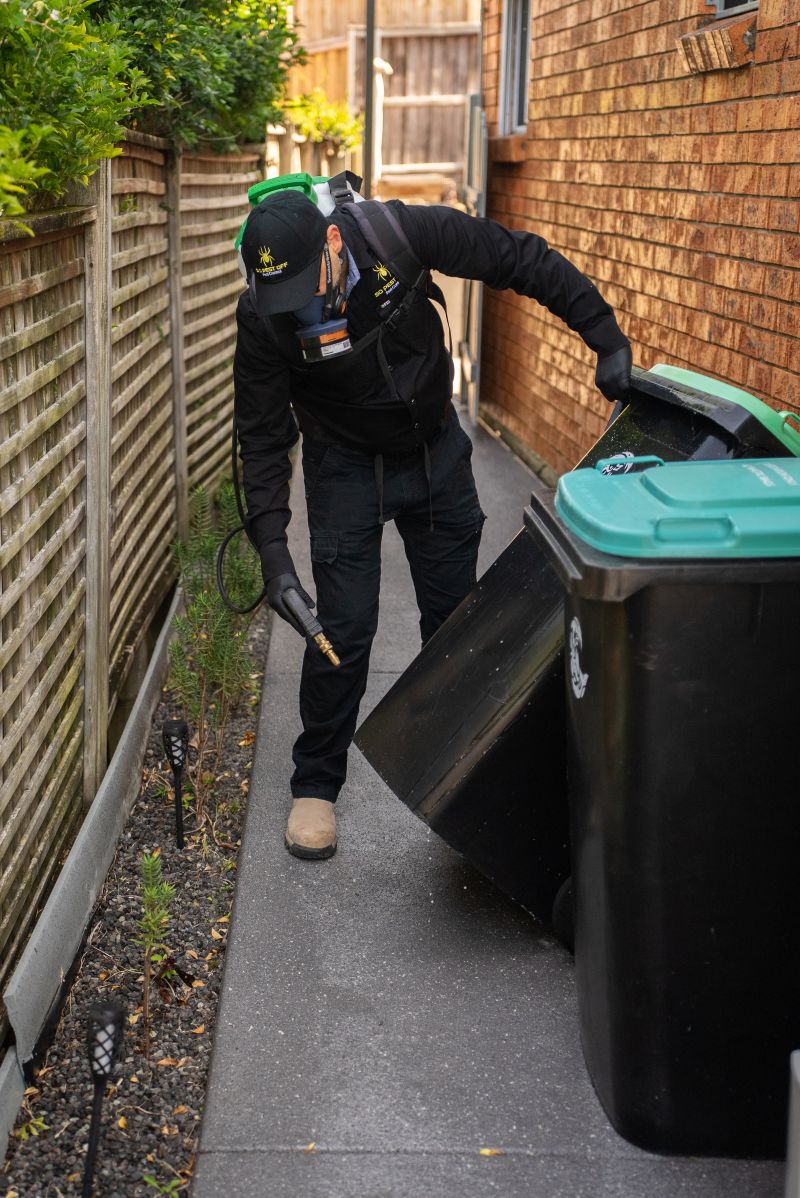
Understanding where to apply the spray is just as vital as knowing what to apply. Pests possess specific hiding spots where they breed and move about. A licensed technician has the expertise to recognise pest behaviour and understands how to treat areas such as inside wall cavities via weep holes, targeting cupboard hinges for German cockroaches, and establishing external barriers at entry points. Randomly spraying around your skirting boards simply will not yield the same level of effectiveness.
Understanding the Difference Between Repellent and Non-Repellent Products
This distinction is crucial. Most DIY products are based on repellent formulations, which means pests can detect the chemicals and tend to avoid them. Although this may sound advantageous in theory, it merely relocates the pest issue.
Conversely, professional pest controllers utilise non-repellent formulations. These products are undetectable by pests, allowing them to traverse treated areas, pick up the chemical, and transport it back to their nests, effectively annihilating the entire colony rather than just the scouts you might observe.
For a more thorough understanding, refer to our guide discussing the differences between repellent and non-repellent solutions.
What Are the Hidden Financial Implications of Choosing DIY Pest Control?
Let’s break down the financial aspects. A can of cockroach spray typically costs between $12 and $15, while ant spray adds another $10 to your total expenditure. When you factor in spider spray, surface sprays, flea bombs, and other products, you may end up spending anywhere from $50 to $80 on various items, each designed to tackle a different pest.
Then, when the pest problem resurfaces in just a few weeks, you find yourself purchasing more products.
Over the course of a year, many homeowners unknowingly spend more on ineffective DIY products than what a single professional treatment would cost, yet they continue to struggle with persistent pest issues.
Watch: A Comprehensive Comparison of DIY Pest Control and Professional Services
Why Is Professional Pest Control Recognised as More Effective?
Access to Superior Commercial-Grade Pest Control Products
Professional pest management technicians utilise products that are not available to the general public. These formulations are more concentrated, longer-lasting, and specifically designed for effective residential pest management.
Additionally, they administer these products using professional-grade equipment rather than basic aerosol cans, ensuring that treatments are precise and targeted exactly where they are needed for optimal effectiveness.
Experienced Technicians with In-Depth Knowledge of Pest Behaviour
A qualified pest technician does more than just spray and leave. They carry out a thorough assessment of your property, identify pest activity and points of entry, and develop a treatment plan tailored to your specific circumstances.
They possess extensive knowledge of critical aspects of pest behaviour, such as how ants follow pheromone trails, where cockroaches seek warmth and moisture near food sources, and how spiders establish themselves in areas abundant with prey. This understanding is essential in differentiating between a treatment that succeeds and one that fails.
Achieve Comprehensive Coverage with Just One Professional Treatment
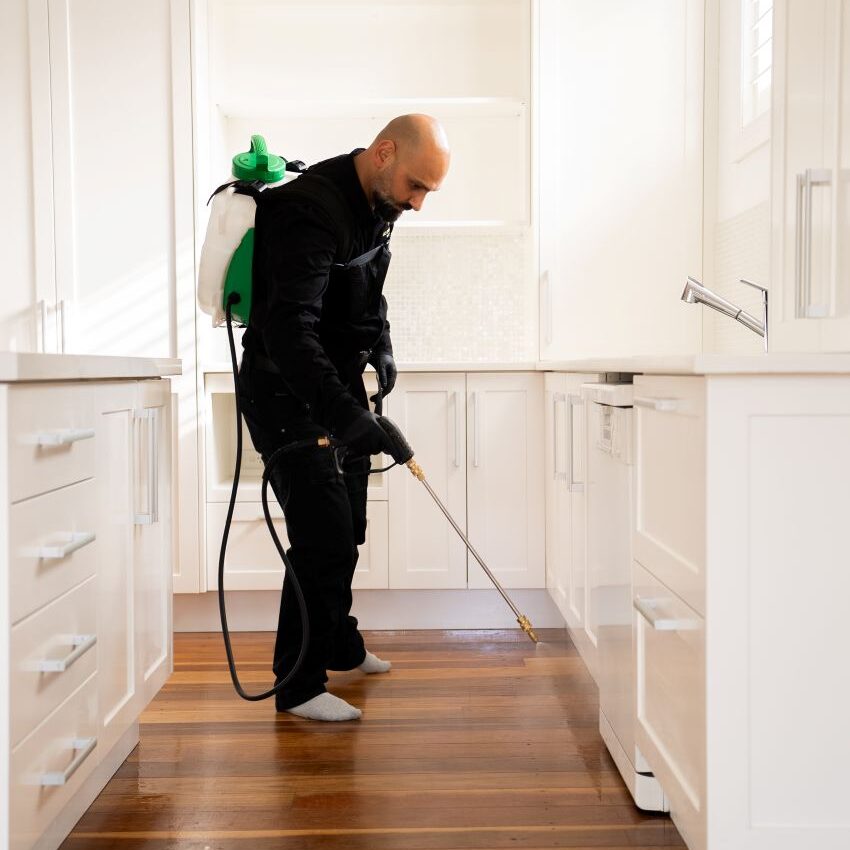
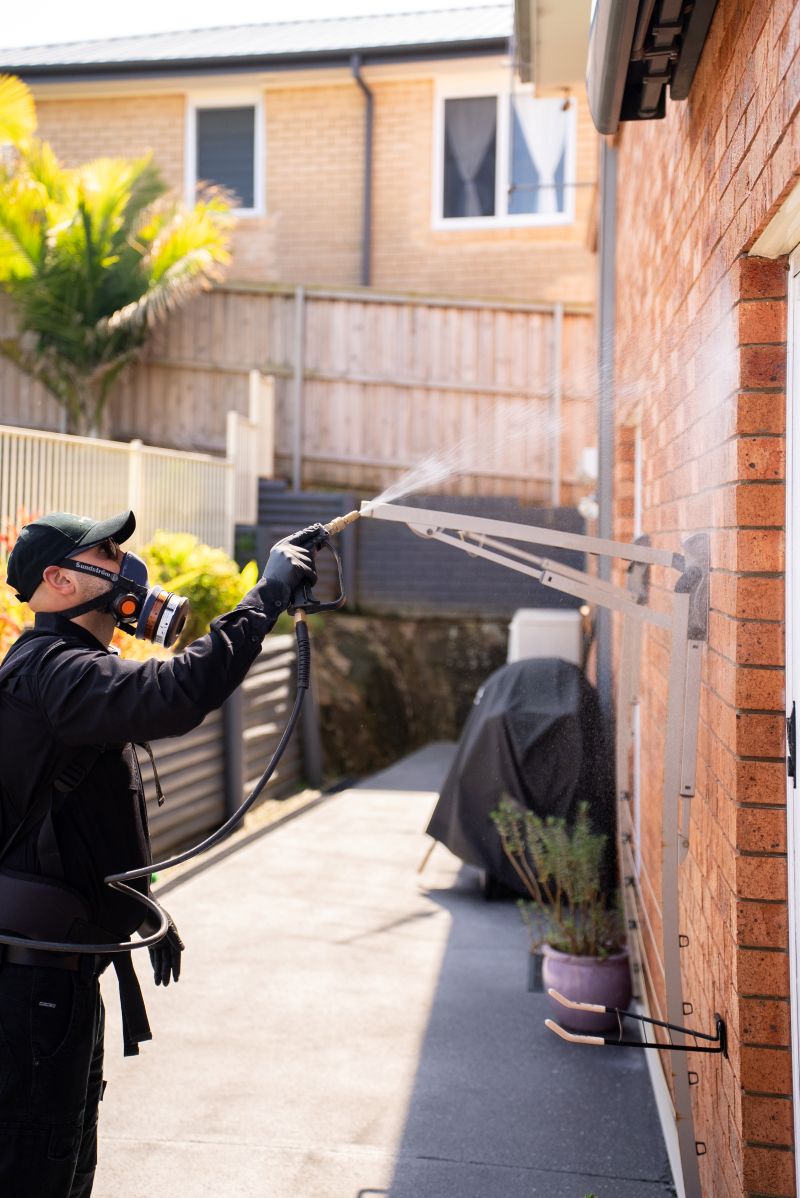
A professional general pest control service encompasses your entire property—both inside and outside. Internal treatments target areas such as skirting boards, cupboard hinges, cornices, and other significant locations. Meanwhile, external treatments establish a protective barrier around your home’s perimeter, including door frames, window frames, and under the eaves.
Enjoy Warranty Protection and Peace of Mind
When you purchase a can of insect spray, there are no warranties or guarantees attached. If it fails to work, you bear the burden of the ongoing issue.
In contrast, professional pest control services come with guarantees. At So Pest Off, we offer a warranty on our general pest control services, ensuring that you have peace of mind and confidence in our effective solutions.
Is Professional Pest Control Safe for Your Children and Pets?
This is a common concern that many of our clients express, and the answer is a resounding yes—professional pest control is safe for both your family and your pets.
All the products we utilise are AEPMA-approved and comply with Australian Standards. They are specifically formulated to have low toxicity for humans and animals while remaining effective against a wide range of pests.
After treatment, we simply request that children and pets avoid treated areas for about one hour while the product dries. Once dry, it is entirely safe for everyone to return.
Interestingly, some DIY products require longer ventilation periods and additional precautions compared to professional treatments, further emphasising the importance of entrusting pest control to the experts.
What Is the Key Takeaway from This Analysis?
DIY pest control products often aim to provide quick fixes. Although they may appear inexpensive at first glance, they fail to deliver lasting results, leading to ongoing costs over time.
By investing in professional pest control, you secure proper protection for your home. You gain access to commercial-grade products, expert application, comprehensive coverage, and a warranty that offers additional assurance. For most households, scheduling a professional treatment every 6 to 12 months is sufficient to maintain a pest-free environment.
Stop wasting money on ineffective cans that do not resolve the issue. Ensure the job is done correctly the first time.
Schedule Your Professional Pest Control Treatment Today
Are you ready to eliminate pests for good? So Pest Off is a family-owned pest control company serving Sydney’s Hills District and surrounding areas. We offer honest advice, transparent pricing, and effective treatments that truly work.
Contact us: 0410 244 244
Find us on Google: So Pest Off on Google Maps
Explore our pricing: sopestoff.com.au/pricing
Frequently Asked Questions: Comparing Professional Pest Control and DIY Approaches
Is DIY pest control as effective as professional treatment options?
No, DIY products utilise lower concentrations, target limited types of pests, and provide only short-term results at best. Professional treatments employ commercial-grade products applied by licensed technicians, resulting in long-lasting and comprehensive protection.
How long does professional pest control last compared to DIY sprays?
Professional treatments generally offer protection lasting from 3 to 6 months, whereas DIY sprays may only be effective for a few days to a couple of weeks. This is why it is recommended to schedule regular professional treatments every 6 to 12 months for optimal pest control.
Are professional pest control products safe for children and pets?
Absolutely. Professional products are AEPMA-approved and meet Australian Standards. Children and pets should stay off treated areas for about one hour while the product dries, after which it is completely safe for them.
Why do I still see pests after using a DIY spray?
Most DIY sprays are formulated with repellent properties, meaning they merely push pests to different areas within your home instead of eradicating them. In contrast, professional treatments utilise non-repellent solutions that pests unknowingly carry back to their nests, effectively eliminating entire colonies.
How much does professional pest control cost compared to DIY products?
While a single can of spray is priced at $12-15, many homeowners end up spending $50-80 or more annually on various ineffective DIY products. A professional general pest control treatment offers better value with long-lasting results and warranty coverage that DIY options cannot match.
What types of pests does a general pest control treatment cover?
A professional general pest control service addresses multiple pests, including cockroaches, ants, spiders, silverfish, fleas, flies, and wasps, all within one treatment. In contrast, DIY products usually focus on just one or two pest types per product, leaving many potential infestations unchecked.
DIY Pest Control vs Professional: Why Hardware Store Sprays Don’t Work
The Article: DIY Pest Control vs Professional: Why Hardware Store Sprays Don’t Work first appeared on https://writebuff.com
The Article DIY Pest Control: Why Hardware Store Sprays Fail Compared to Pros Was Found On https://limitsofstrategy.com
The Article DIY Pest Control: The Shortcomings of Hardware Store Sprays found first on https://electroquench.com