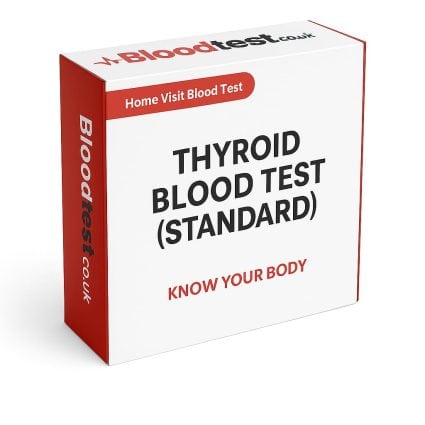
Discover Comprehensive Information on Thyroid Blood Testing
What is a Thyroid Blood Test and What Are Its Benefits?
Private Thyroid Blood Test in Canterbury: This essential diagnostic tool evaluates the levels of critical thyroid hormones present in your bloodstream. These tests are pivotal for establishing the functional status of the thyroid gland, which is integral to regulating numerous physiological processes, including metabolic rate, energy levels, and overall health.

This test primarily assesses the key hormones including Thyroid-Stimulating Hormone (TSH), Free Thyroxine (T4), and Free Triiodothyronine (T3), each providing critical insights into thyroid functionality and overall health status.
The thyroid gland, located at the base of the neck, produces hormones that profoundly impact various bodily functions such as growth, development, and metabolic processes. By analysing these hormone levels, healthcare providers can diagnose thyroid-related disorders, such as hypothyroidism (characterised by reduced thyroid activity) and hyperthyroidism (characterised by excessive thyroid activity), along with other potential health complications.
Early identification through a thyroid blood test in Canterbury enables timely intervention, significantly enhancing health outcomes. Individuals experiencing symptoms such as persistent fatigue, unanticipated weight fluctuations, or alterations in mood should consider these tests as a crucial aspect of their health assessments.
Why is Consistent Thyroid Testing Vital for Your Health?
<pRegular thyroid testing is not simply a routine; it is a vital component of proactive health management, offering substantial long-term benefits. The importance of monitoring thyroid hormone levels is especially crucial for those at an increased risk of developing thyroid disorders. Conditions such as hypothyroidism and hyperthyroidism may develop gradually, potentially resulting in severe health complications if not managed effectively and swiftly.
Imbalances in thyroid hormone levels can influence various aspects of health, including weight management, energy levels, and mental well-being. For instance, untreated hypothyroidism can lead to symptoms like extreme fatigue, marked depression, and cognitive challenges, while hyperthyroidism may present as anxiety and rapid heart rates. By proactively arranging a thyroid blood test in Canterbury, individuals can gain significant insights into their health status.
Furthermore, specific demographics, particularly women—especially those who are pregnant or postmenopausal—and individuals with a family history of thyroid issues should remain particularly vigilant. Regular testing allows for the early detection of these disorders and facilitates the creation of effective management plans tailored to individual health needs.
What Types of Thyroid Tests Are Available to You?
To evaluate thyroid function, key tests focus on measuring TSH, T4, and T3 levels in the bloodstream. Each of these hormones plays a crucial role in understanding overall thyroid health.
The TSH test is widely considered the primary assessment for evaluating thyroid performance, as it measures the stimulation of the thyroid gland by the pituitary gland. Elevated TSH levels usually indicate hypothyroidism, while low levels suggest hyperthyroidism. Subsequently, the Free T4 test assesses the amount of thyroxine in circulation, a hormone vital for metabolic processes. To provide a comprehensive evaluation, the Free T3 test is carried out to assess the active form of triiodothyronine, particularly when hyperthyroidism is suspected.
In Canterbury, healthcare professionals may recommend a combination of these tests for a holistic understanding of an individual’s thyroid health. Being knowledgeable about what each test involves empowers patients to engage meaningfully with their healthcare providers regarding their health and treatment choices.
How Should You Prepare Effectively for Your Thyroid Blood Test?
Key Pre-Test Guidelines to Ensure Accurate Thyroid Test Outcomes
Proper preparation for a thyroid blood test in Canterbury is essential for securing precise results, requiring adherence to specific instructions provided by your healthcare provider. Generally, fasting is not necessary for thyroid tests; however, exceptions may arise based on individual medical histories or medications currently being taken. Certain medications that could affect thyroid hormone levels may need to be temporarily halted prior to the test.
Patients are encouraged to disclose any supplements or over-the-counter medications they are currently using, as these may influence hormone levels. It is also prudent to inform your healthcare provider about any recent illnesses, surgeries, or health changes, as these factors can impact test results and lead to potential misinterpretations.
Thorough preparation can help alleviate anxiety associated with testing, allowing individuals to feel informed and at ease. Before the appointment, it may be beneficial to jot down any questions or concerns you wish to discuss with your healthcare provider on the day of the test.
What Should You Expect During the Thyroid Blood Test Procedure?
A thyroid blood test in Canterbury is a straightforward and swift procedure, typically involving drawing blood from a vein in the arm. The process begins with a healthcare professional cleansing the area with an antiseptic wipe to ensure hygiene. A tourniquet might be applied to enhance the visibility of veins, facilitating the blood draw.
Although the procedure lasts only a few minutes, some individuals may experience a brief pinch or mild discomfort when the needle is inserted. It is crucial to remain calm and relaxed during this moment to ensure a smooth experience. Once the blood is collected, a small bandage is placed over the puncture site to manage any bleeding.
Most clinics and hospitals in Canterbury employ trained professionals who conduct these tests with precision and care. Patients can usually resume their normal daily activities immediately following the test, as there is no significant downtime involved.
Post-Test Care Instructions for a Smooth Recovery
After completing a thyroid blood test in Canterbury, patients typically can return to their usual activities without interruptions. Generally, no specific precautions are necessary following the test. However, it is advisable to keep the bandaged area clean and dry for a short period to prevent irritation or infection.
Results from thyroid tests are usually available within a few days, and healthcare providers often contact patients to discuss the findings. If any concerns or abnormal results arise, a follow-up appointment may be necessary to explore further testing or treatment options. This proactive communication ensures individuals remain informed about their health status and can take appropriate actions.
Interpreting these results in the context of overall health is crucial. Engaging in thorough discussions with your healthcare provider about the results can clarify any essential next steps for optimal health management.
How to Select the Best Facility for Your Thyroid Testing Needs
Choosing a reputable facility for a thyroid blood test in Canterbury is vital for receiving quality care and accurate results. When selecting a testing site, individuals should consider various factors, including the facility’s accreditation, staff qualifications, and the technology employed in testing.
Clinics and hospitals in Canterbury can vary significantly in terms of waiting times and service quality. Conducting research through patient reviews and seeking recommendations from healthcare providers can assist in narrowing down the best options. Additionally, accessibility and convenience are important considerations, especially for those requiring frequent monitoring.
Private healthcare options often provide quicker access to testing without requiring a referral from a general practitioner. However, understanding the associated costs is essential for making informed decisions. Each individual’s situation is unique and should be evaluated based on specific health needs and preferences.
How Can You Accurately Interpret Your Thyroid Test Results?
Once the results of a thyroid blood test in Canterbury are available, it is essential to review them with your healthcare provider for accurate interpretation. Understanding these results can be complex, particularly if multiple tests have been carried out. Normal ranges for TSH, T4, and T3 can fluctuate, and deviations may indicate thyroid disorders.
Your healthcare provider will assist in interpreting the results to assess your overall health and any symptoms you might be experiencing. They can offer guidance on the implications of the results and their significance for your health moving forward. Whether the results suggest further testing, lifestyle adjustments, or medications, taking a proactive approach to thyroid health can lead to better management and enhanced quality of life.
Maintaining open communication with healthcare providers throughout this process promotes a collaborative approach to health management, empowering individuals to make informed choices regarding their treatment options.
Where to Find Quality Thyroid Testing Services in Canterbury?
Explore Local Clinics Providing Comprehensive Thyroid Testing Services
In Canterbury, numerous local clinics offer thyroid blood tests, which generally require a referral from a general practitioner (GP). These clinics focus on accessible healthcare, facilitating timely testing for patients. Many are equipped with advanced facilities and teams of experienced healthcare professionals, ensuring patients receive high-quality care.
When searching for a local clinic, it is crucial to evaluate its reputation, the qualifications of its healthcare staff, and patient feedback. Recommendations from friends or family can also assist individuals in selecting an appropriate testing facility.
It is advisable to contact the clinic beforehand to confirm whether they conduct the specific thyroid tests required for your condition. Some clinics may offer comprehensive packages that include multiple thyroid tests, which can be advantageous for individuals needing a thorough assessment.
Access Comprehensive Thyroid Testing Services at Major Hospitals
Renowned hospitals in Canterbury, such as Kent and Canterbury Hospital, provide extensive thyroid blood testing services. These facilities are well-equipped to perform a variety of tests and can offer additional resources for further evaluation if necessary.
In a hospital setting, patients may have access to a broader range of diagnostic services, including consultations with endocrinologists who specialise in hormone-related disorders. This multidisciplinary approach can significantly enhance the quality of care, particularly for individuals diagnosed with complex thyroid issues.
Patients should contact the hospital’s laboratory services to inquire about which thyroid tests are available and any necessary preparations. Scheduling an appointment in advance is generally advisable to ensure timely service.
Private Healthcare Providers Offering Rapid Thyroid Testing Options
For those prioritising convenience and speed, private healthcare providers in Canterbury offer thyroid blood tests with minimal wait times. These private facilities often allow individuals to book appointments directly, eliminating the need for a referral and simplifying access to testing.
Although private testing may incur higher costs, its efficiency and personalised service can be appealing to many. It is crucial to compare private facilities based on their services, fees, and overall patient experiences.
Some private clinics may also provide additional health assessments that offer a broader perspective on thyroid health, making it worthwhile for anyone concerned about their thyroid function to consider these options.
Understanding Your Thyroid Test Results: A Comprehensive Overview
Normal Reference Ranges for Thyroid Hormones: What You Should Know
Grasping the normal reference ranges for TSH, T4, and T3 is essential for accurately interpreting thyroid blood test results in Canterbury. Typically, the normal ranges for TSH are approximately 0.4 to 4.0 mIU/L, while Free T4 levels should generally be between 9 and 24 pmol/L, and Free T3 levels range from 3.1 to 6.8 pmol/L.
These values may vary slightly depending on the laboratory conducting the tests, as different labs may employ unique methods and standards. It is vital to refer to the ranges specified in your test results to evaluate your levels accurately.
If your results fall within the normal range, it generally indicates effective thyroid function. However, discussing the results with your healthcare provider is crucial, particularly if you have existing health conditions, to understand their implications for your overall well-being.
Identifying Abnormal Results and Their Implications
Abnormal thyroid test results can indicate various conditions, each requiring different management strategies. Elevated TSH levels typically signify hypothyroidism, where the thyroid fails to produce sufficient hormones. Common symptoms of this condition include lingering fatigue, unexplained weight gain, and heightened sensitivity to cold.
Conversely, low TSH levels suggest hyperthyroidism, indicating an overactive thyroid that releases excessive hormones. Symptoms associated with hyperthyroidism often include unintended weight loss, rapid heart rates, and heightened anxiety. Recognising these symptoms alongside test results can provide a clearer understanding of an individual’s thyroid health.
Consulting with a healthcare provider to accurately interpret these results is essential. They can recommend follow-up testing, lifestyle adjustments, or medications tailored to the specific thyroid condition diagnosed.
What Should You Do After Receiving Abnormal Results?
If abnormal thyroid test results are detected in Canterbury, it is crucial to discuss potential next steps with your healthcare provider. This may involve repeating tests to confirm the initial findings, conducting further testing to investigate underlying causes, or initiating a tailored treatment plan based on your specific condition.
Treatment options differ depending on the diagnosed thyroid disorder. For hypothyroidism, hormone replacement therapy is commonly prescribed, while hyperthyroidism may require medications to decrease hormone production or, in some cases, procedures aimed at destroying overactive thyroid cells.
Taking an active role in understanding these next steps can empower individuals to manage their thyroid health more effectively and proactively. Regular monitoring and follow-up consultations are essential components of maintaining thyroid balance and promoting overall well-being.
Common Thyroid Disorders: Insights into Their Management
Understanding Hypothyroidism and Its Health Impact
Hypothyroidism is a widespread condition characterised by an underactive thyroid gland that fails to produce sufficient hormones. This deficiency can lead to a range of symptoms, including debilitating fatigue, noticeable weight gain, feelings of depression, and increased sensitivity to cold temperatures.
In the UK, where iodine intake levels are generally sufficient, autoimmune conditions, such as Hashimoto’s thyroiditis, rank among the leading causes of hypothyroidism. Diagnosis typically involves confirming elevated TSH levels alongside decreased T4 levels.
Management strategies often include hormone replacement therapy, which effectively alleviates symptoms and restores hormone levels to a normal range. Regular monitoring of thyroid function is vital to adjust medication dosages as necessary to maintain optimal health.
Identifying and Effectively Managing Hyperthyroidism
Hyperthyroidism occurs when the thyroid gland becomes overactive, producing excessive amounts of thyroid hormones. This condition can manifest through symptoms such as rapid weight loss, a racing heartbeat, increased appetite, and heightened anxiety levels.
Graves’ disease, an autoimmune disorder, is one of the most common causes of hyperthyroidism in the UK. Diagnosis typically involves assessing low TSH levels alongside elevated T4 and T3 levels. Treatment options may vary but can include anti-thyroid medications, radioactive iodine therapy, or surgical intervention in specific circumstances.
Engaging in regular monitoring and attending follow-up appointments is essential for effectively managing hyperthyroidism and preventing potential complications from arising.
Understanding Thyroid Nodules: Key Information
Thyroid nodules are lumps that may develop within the thyroid gland. While most are benign, some may require further investigation to rule out malignancy. These nodules may be identified incidentally on imaging or when patients present symptoms such as difficulty swallowing or a visible lump in the neck.
Diagnosis typically involves an ultrasound to assess the characteristics of the nodules, followed by fine-needle aspiration for further evaluation. Management strategies may range from regular monitoring to surgical intervention, depending on the nodule’s nature and any associated symptoms.
Understanding the implications of thyroid nodules can alleviate concerns and guide individuals toward appropriate management strategies. Frequent check-ups are crucial for monitoring changes in nodule size or characteristics over time.
Effective Strategies to Optimise Thyroid Health
Nutrition and Dietary Guidelines to Support Thyroid Health
A balanced diet is essential for supporting optimal thyroid health. Nutrients such as iodine and selenium play critical roles in the synthesis and regulation of thyroid hormones. Foods rich in iodine include fish, dairy products, and iodised salt, while selenium can be sourced from Brazil nuts, eggs, and legumes.
Incorporating a diverse array of fruits and vegetables into your diet can further enhance overall health, as they are rich in antioxidants and vital vitamins. Recent studies have underscored the importance of maintaining a healthy gut microbiome, suggesting that gut health may influence thyroid function.
Individuals concerned about their thyroid health should consult healthcare providers or nutritionists to develop a personalised dietary plan that ensures adequate nutrient intake, thereby supporting thyroid function.
Embracing Healthy Lifestyle Choices to Support Thyroid Function
Making healthy lifestyle choices, such as engaging in regular physical activity and effectively managing stress, can positively influence thyroid function. Regular exercise not only aids in maintaining a healthy weight but also enhances overall hormonal balance and boosts mood.
Managing stress is equally crucial, as chronic stress can lead to hormonal imbalances that exacerbate existing thyroid disorders. Techniques such as yoga, meditation, and mindfulness can help mitigate stress and promote overall well-being.
Creating a supportive lifestyle through consistent exercise and effective stress management empowers individuals to take charge of their thyroid health, ultimately improving their quality of life.
Medication and Treatment Alternatives for Thyroid Disorders
Depending on the specific diagnosis, medication or other interventions may be necessary for effectively managing thyroid disorders. For those diagnosed with hypothyroidism, levothyroxine is often prescribed, a synthetic thyroid hormone that helps restore normal hormone levels.
In cases of hyperthyroidism, antithyroid medications may assist in reducing hormone production, while radioactive iodine could be used to target overactive thyroid cells. Surgical options may also be considered, particularly if nodules are symptomatic or there are concerns regarding malignancy.
Regular follow-ups and adjustments to treatment plans are essential for ensuring optimal management of thyroid health. Actively engaging with healthcare providers about available treatment options can enhance health outcomes and assist in effectively managing thyroid-related issues.
Accessing Support and Resources for Thyroid Health in Canterbury
Finding Local Support Groups for Thyroid Health Management
Joining a thyroid support group in Canterbury can provide invaluable emotional support and practical resources for individuals navigating thyroid disorders. These groups often serve as platforms for sharing experiences, discussing treatment options, and learning from one another’s journeys.
Local support groups may organise regular meetings, workshops, and guest speaker events, providing valuable insights into effectively managing thyroid health. Connecting with others facing similar challenges fosters a sense of community and can significantly alleviate feelings of isolation.
Finding local support groups can often be accomplished through online searches or by consulting healthcare providers for recommendations. Engaging with these groups empowers individuals with knowledge and the support that comes from shared experiences.
Participating in Educational Workshops on Thyroid Health
Attending workshops focused on thyroid health in Canterbury can greatly enhance individuals’ understanding of their conditions. These events typically feature expert speakers, informative presentations, and discussions centred on the latest research and treatment options.
Workshops provide critical information on managing symptoms, making lifestyle changes, and the importance of regular monitoring. Additionally, these events often create networking opportunities among participants, fostering connection and support within the community.
Staying informed through educational workshops empowers individuals to take control of their thyroid health, seamlessly integrating new knowledge into their daily lives and treatment strategies.
Utilising Online Resources for Enhanced Understanding of Thyroid Health
A plethora of online resources tailored to support thyroid health is readily accessible, especially for residents of Canterbury. Websites dedicated to thyroid education, patient forums, and online communities can provide valuable information, updates on ongoing research, and practical tips for effectively managing thyroid disorders.
Reputable organisations, such as the British Thyroid Foundation, offer a wealth of resources, including guidelines for thyroid health, nutritional advice, and access to support networks. Engaging with these online resources can help individuals remain informed and connected, reinforcing their ability to proactively manage their health.
Utilising online resources can be a powerful complement to regular healthcare consultations, helping individuals maintain an active and informed approach to their thyroid health.
Frequently Asked Questions About Thyroid Blood Tests
What is the purpose of a thyroid blood test?
A thyroid blood test measures the levels of essential thyroid hormones in the bloodstream to evaluate thyroid function and diagnose related disorders.
What preparations are necessary for a thyroid blood test?
Preparation for a thyroid blood test may include following specific instructions from your healthcare provider, such as avoiding certain medications or fasting, depending on your health status.
Where can I obtain a thyroid blood test in Canterbury?
You can receive a thyroid blood test at local clinics, major hospitals like Kent and Canterbury Hospital, or through private healthcare providers.
What do my thyroid test results signify?
Normal reference ranges for TSH, T4, and T3 levels indicate healthy thyroid function, while abnormal results may suggest conditions such as hypothyroidism or hyperthyroidism.
How often should I have my thyroid levels tested?
The frequency of testing largely depends on your health status, symptoms, and any diagnosed thyroid conditions. It is advisable to discuss testing intervals with your healthcare provider.
What common symptoms are associated with hypothyroidism?
Symptoms of hypothyroidism include persistent fatigue, weight gain, sensitivity to cold, feelings of depression, and dry skin. Consulting a healthcare provider is essential for a proper diagnosis.
What treatments are available for hypothyroidism?
Hypothyroidism is typically managed through hormone replacement therapy, often involving levothyroxine to restore normal hormone levels in the body.
What factors can lead to hyperthyroidism?
Hyperthyroidism may be caused by autoimmune conditions such as Graves’ disease, thyroid nodules, or inflammation of the thyroid gland.
Can dietary choices affect thyroid health?
Yes, a well-balanced diet rich in iodine and selenium can support thyroid health. Consulting with a healthcare provider for personalised dietary guidance is recommended.
Where can I find support for thyroid disorders in Canterbury?
Local support groups, educational workshops, and online resources are available to provide valuable assistance and information for individuals managing thyroid disorders in Canterbury.
Connect with us on Facebook!
This Article Was First Found On https://bloodtest.co.uk
The Article Thyroid Blood Test: Your Essential Guide in Canterbury Was Found On https://limitsofstrategy.com
The Article Thyroid Blood Test Essentials: A Guide for Canterbury Residents found first on https://electroquench.com