Comprehensive Guide to Blood Tests for Hair Loss in Scunthorpe
Essential Steps for Your Initial Hair Loss Consultation
Schedule a Private Blood Test for Hair Loss in Scunthorpe: Residents of Scunthorpe experiencing hair loss should first consult their local General Practitioner (GP). This vital initial appointment will involve the GP reviewing the patient’s medical history and discussing any symptoms related to hair thinning. This thorough evaluation is key to determining whether further diagnostic tests are necessary.
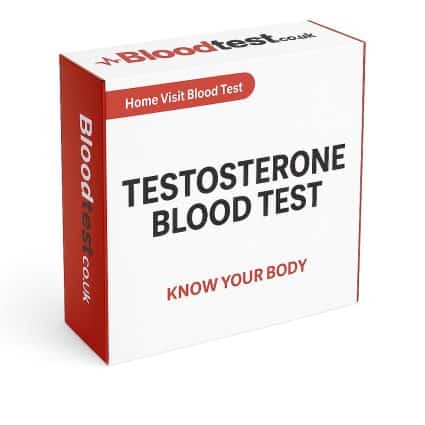

After gathering adequate information, the GP may recommend specific blood tests to be conducted at local clinics or hospitals. This personalised approach ensures that the tests are tailored to the individual’s health profile and possible underlying causes of their hair loss.
Key Health Markers Evaluated in Blood Tests
Blood tests designed for diagnosing hair loss primarily focus on several crucial markers that may indicate underlying health issues. Essential parameters often evaluated include iron levels, thyroid function, and hormonal balances. These factors frequently correlate with hair thinning problems observed among local residents in Scunthorpe.
For instance, a deficiency in iron can lead to hair loss by limiting the oxygen supply to hair follicles. Likewise, irregularities in thyroid function can disrupt the natural hair growth cycle, making these assessments vital for understanding hair health in the community.
Local Blood Testing Clinics: Important Information
Scunthorpe features various NHS and private clinics offering blood tests for hair loss. These facilities are well-equipped to meet the community’s needs, providing quick turnaround times for results.
Patients enjoy a range of location options, ensuring easy access and convenience. Many clinics also offer online booking services, simplifying the process of securing appointments that fit individual schedules.
What to Know About Your Blood Test Results
Interpreting blood test results can be complex, making it essential for residents of Scunthorpe to consult healthcare professionals. These experts can help identify any nutritional deficiencies or hormonal imbalances that may contribute to hair loss.
Understanding these results is critical for formulating effective treatment plans. Professionals can suggest targeted therapies or lifestyle changes based on the findings, empowering patients to address the root causes of their hair loss successfully.
Preparation Advice for Blood Tests
Thorough preparation for blood tests is crucial for ensuring result accuracy. Individuals in Scunthorpe should adhere to specific instructions from their healthcare providers, which may include fasting or temporarily stopping certain medications prior to their appointments.
Being adequately prepared can significantly impact the reliability of test results, enabling healthcare professionals to make informed decisions regarding subsequent treatment options.
Professional Perspectives on Blood Testing for Hair Loss in Scunthorpe
Case Studies from Local Residents
Healthcare practitioners in Scunthorpe have noted that early detection via blood analysis has significantly benefited many locals. For example, one case study highlighted how a resident discovered a vitamin D deficiency through testing, which was promptly addressed, resulting in improved hair health.
Such real-world examples emphasise the importance of proactive health assessments. By identifying deficiencies early, residents can take steps before hair loss becomes more pronounced, ultimately leading to better health outcomes.
Actionable Follow-Up Steps Post-Testing
After receiving blood test results, specialists recommend several actionable steps for patients in Scunthorpe. Targeted supplements may be recommended to address any identified nutritional deficiencies.
Referrals within the Scunthorpe healthcare network can connect patients with specialists who can provide additional support. This collaborative approach ensures individuals receive comprehensive care tailored to their unique needs.
Expert Analysis of Blood Test Precision
Professionals in Scunthorpe stress the importance of understanding how factors such as diet can influence blood test results. For example, inadequate nutrition can distort results, leading to misinterpretations regarding the underlying causes of hair loss.
By recognising these factors, patients can engage in more informed conversations with their healthcare providers. This comprehension helps ensure that the conclusions drawn from blood tests are accurate and relevant to the individual’s health status.
What Factors Should Prompt Testing for Hair Loss in Scunthorpe?
The Impact of Nutritional Deficiencies
Nutritional deficiencies are major contributors to hair loss, particularly in Scunthorpe, where low levels of vitamins D and B12 are common. These vitamins are essential for maintaining healthy hair follicles, and their absence can lead to hair thinning.
Conducting targeted blood tests is crucial for identifying these deficiencies. Once recognised, appropriate dietary changes or supplements can be implemented to help restore hair health and prevent further loss.
The Effects of Hormonal Imbalances
Hormonal imbalances, particularly those associated with thyroid disorders, are prevalent in Scunthorpe and can lead to significant hair loss. Conditions such as hypothyroidism can disrupt the normal hair growth cycle, prompting individuals to seek blood tests at local healthcare facilities.
Identifying these hormonal issues through testing is essential for effective treatment. Once diagnosed, patients can access targeted therapies designed to rebalance their hormones and promote hair regrowth.
Do Lifestyle Factors Contribute to Hair Loss?
Lifestyle choices also have a considerable impact on hair loss. In Scunthorpe, stress from work and environmental factors can worsen hair thinning. Increased stress levels may lead to conditions like telogen effluvium, where hair falls out in response to stressors.
Environmental influences, such as pollution and severe weather, can further compromise hair health. Understanding these contributors is vital for residents to implement proactive strategies to manage their hair loss effectively.
Evidence-Based Benefits of Blood Testing for Hair Loss in Scunthorpe
Enabling Early Intervention
Detecting health issues through blood tests enables residents of Scunthorpe to begin treatments promptly, preventing significant hair loss. Early intervention is essential as it can slow the progression of hair thinning and encourage recovery.
By tackling underlying health concerns early, residents can safeguard their hair health and overall wellbeing, ultimately enhancing their quality of life and self-esteem.
Tailored Treatment Plans
Blood test results provide a foundation for creating personalised treatment plans that cater to the specific needs of Scunthorpe residents. These plans may incorporate dietary modifications, supplements, or referrals to specialists for further assessment.
Customised approaches ensure that treatments are effective and relevant, increasing the likelihood of positive outcomes for individuals facing hair loss challenges.
Enhanced Health Outcomes
Addressing the root causes through blood tests promotes overall wellbeing for those experiencing hair concerns in Scunthorpe. By correcting deficiencies and hormonal imbalances, patients can improve not only their hair health but also their general health.
This holistic approach guarantees that individuals are not just treating symptoms but also enhancing their overall quality of life through healthier practices.
The Scientific Basis for Blood Tests
A wealth of peer-reviewed studies supports the efficacy of blood tests in identifying hormonal imbalances and nutritional deficiencies linked to hair loss. This scientific endorsement provides patients in Scunthorpe with reliable information to inform their treatment decisions.
Robust evidence underscores the significance of blood testing as a proactive strategy for effectively managing hair loss.
Cost-Effective Healthcare Approaches
Research shows that proactive blood testing can reduce long-term costs associated with advanced hair loss treatments. By facilitating early and targeted interventions, clinics and NHS-affiliated services in Scunthorpe can help residents avoid expensive procedures in the future.
Investing in blood tests can lead to considerable savings while ensuring individuals receive the necessary care to effectively address their hair loss issues.
How Can Residents of Scunthorpe Access Blood Testing Services?
Arranging Appointments through GPs
Residents of Scunthorpe can start their journey towards understanding hair loss by visiting their local GP surgery. During this consultation, they can discuss their symptoms and receive necessary referrals for blood tests.
This initial step is essential to ensure that the tests performed are relevant to the individual’s health concerns, establishing a solid foundation for effective diagnosis and treatment.
Private Testing Options Available
For those seeking quicker appointments, several independent laboratories in Scunthorpe offer private blood testing services. These facilities often provide faster turnaround times compared to NHS alternatives, catering to individuals who prefer prompt results.
Opting for private services can also reduce waiting times, allowing patients to address their hair loss without unnecessary delays.
Preparation Guidelines for Patients
Thorough preparation for blood tests is vital for obtaining accurate results. Patients in Scunthorpe should keep the following recommendations in mind before their appointments:
- Follow any fasting guidelines as advised by your healthcare provider.
- Avoid specific medications that may influence test results.
- Stay hydrated unless otherwise instructed.
- Bring relevant medical records or previous test results.
Adhering to these guidelines can ensure that blood tests yield dependable data for assessing hair loss.
Preparing for Your Appointment in Scunthorpe
Essential Documents to Bring
When attending a blood test appointment in Scunthorpe, it is important to bring relevant documents. Having medical records and a symptom diary can greatly assist doctors in interpreting blood results more accurately.
This information enables healthcare providers to make well-informed decisions regarding potential diagnoses and treatment options tailored to the individual’s circumstances.
Follow-Up Care and Recommendations
After undergoing blood tests, following up typically involves monitoring progress with local support groups or specialists. These resources can offer valuable insights and encouragement for individuals navigating their hair loss journey.
Maintaining communication with healthcare professionals ensures that patients receive ongoing support and guidance as they strive to improve their hair health.
Key Questions to Discuss During Appointments
Patients should feel empowered to ask questions during their appointments. Common inquiries may include:
- What is the expected timeframe for receiving test results?
- What insights do the results provide regarding my hair loss?
- What are the next steps based on the findings?
- Are there any lifestyle changes I should consider?
Asking these questions clarifies the process and ensures that patients are well-informed about their health and treatment options.
Frequently Asked Questions
Which blood tests are commonly performed for hair loss?
Common blood tests for hair loss assess iron levels, thyroid function, and vitamin deficiencies, particularly vitamin D and B12, which are vital for hair health.
What is the usual timeframe for receiving blood test results in Scunthorpe?
Blood test results typically take a few days to a week, depending on the clinic and the specific tests conducted.
Is it possible to get a blood test without a GP referral?
Yes, residents can access private testing services in Scunthorpe that do not require a GP referral, providing quicker access to necessary tests.
What steps should I take if my blood test results indicate a deficiency?
If deficiencies are detected, consult your healthcare provider for advice on supplements or dietary changes to effectively address them.
Are there specific clinics in Scunthorpe that focus on blood tests for hair loss?
Yes, numerous NHS and private clinics in Scunthorpe provide blood tests specifically for hair loss. Researching local options can aid in finding the right facility.
How often should I undergo testing if I am experiencing hair loss?
The frequency of testing can vary based on individual circumstances. Generally, it is advisable to reassess every 6 to 12 months or as recommended by your healthcare provider.
Can lifestyle changes impact hair loss?
Absolutely. Factors such as diet, stress, and environmental conditions can significantly affect hair health. Implementing positive lifestyle changes may help alleviate hair loss.
What signs should prompt consideration of a blood test for hair loss?
Signs include noticeable hair thinning, excessive shedding, or changes in hair texture. If these symptoms arise, pursuing a blood test can be beneficial.
Is hair loss reversible with appropriate treatment?
In many instances, hair loss can be reversible, particularly if addressed early with suitable treatments, including dietary changes and medical interventions.
What role do hormones play in hair loss?
Hormonal imbalances, especially those related to the thyroid or androgens, can greatly affect hair growth and contribute to hair loss, making testing vital for accurate diagnosis.
Stay updated with our latest news on our Facebook page!
This Article Was First Published At https://bloodtest.co.uk
The Article Hair Loss Blood Test in Scunthorpe: Professional Insights found first on https://electroquench.com