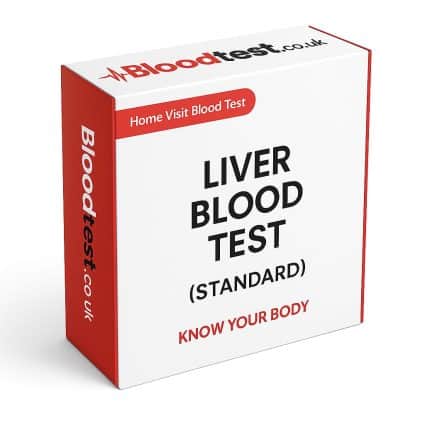
Your Ultimate Resource on Liver Blood Tests: Essential Knowledge for Optimal Health
What Are Liver Function Tests and Why Are They Essential for Your Health?
Private Liver Blood Test in Salisbury: Liver function tests serve as vital diagnostic evaluations that assess the overall health of your liver, an organ crucial for numerous bodily functions. These tests measure the concentration of proteins, enzymes, and various substances circulating in your blood, providing healthcare professionals with invaluable insights regarding your liver's functionality. A healthy liver is integral for processes such as nutrient metabolism, detoxifying harmful substances, and synthesising essential proteins. Therefore, understanding the implications of your test results plays a significant role in maintaining your overall health and wellbeing.

During a liver function test, your healthcare provider will examine several critical indicators. For instance, elevated levels of liver enzymes like ALT (alanine aminotransferase) and AST (aspartate aminotransferase) can signal liver inflammation or damage. Conversely, abnormal bilirubin levels may indicate problems with liver functionality or bile production. These tests are not merely routine procedures; they are crucial for diagnosing conditions such as hepatitis, fatty liver disease, or liver cirrhosis, enabling timely and effective treatment solutions.
Interpreting your liver function test results can shed light on your liver's health status, assisting your healthcare provider in determining the most appropriate course of action. Regular monitoring through these tests is particularly important for individuals at increased risk due to lifestyle choices such as alcohol consumption or obesity. Ultimately, liver function tests offer crucial insights into your liver health, promoting proactive management and timely intervention.
Understanding the Various Types of Liver Blood Tests Available
There exists a range of liver blood tests, each designed to fulfil a specific role in evaluating liver health. Below are some of the most commonly performed tests:
- ALT (Alanine Aminotransferase): This enzyme is predominantly found in the liver. Elevated levels typically indicate liver cell damage, highlighting the necessity for further examination.
- AST (Aspartate Aminotransferase): This enzyme is present in the liver and other tissues such as the heart and muscles. An increase in AST levels may suggest liver issues but can also indicate other medical conditions.
- ALP (Alkaline Phosphatase): Elevated ALP levels may signal bile duct obstructions or liver disease, necessitating additional evaluation.
- Bilirubin: Produced during the breakdown of red blood cells, high bilirubin levels can lead to symptoms like jaundice, indicating liver dysfunction.
- Albumin: This protein, produced by the liver, is essential for maintaining blood volume and pressure. Low albumin levels may suggest chronic liver disease, requiring careful monitoring.
- Prothrombin Time (PT): This test measures how long it takes for your blood to clot. Prolonged PT can indicate liver dysfunction, as the liver generates proteins vital for the coagulation process.
Each of these tests provides a comprehensive view of your liver health. Depending on your symptoms or risk factors, your healthcare provider may recommend a combination of these tests to gain a deeper understanding of your liver’s function and overall health.
When is the Best Time to Arrange a Liver Blood Test?
Consider scheduling a liver blood test if you exhibit symptoms that may point to liver disease, such as unexplained jaundice, ongoing fatigue, or abdominal discomfort. Additionally, individuals with lifestyle factors that elevate their risk, such as excessive alcohol consumption or obesity, should routinely undergo liver function tests as a preventive measure.
Your doctor may also suggest regular testing if you have underlying conditions like diabetes or high cholesterol, as these can negatively impact liver health. Regular monitoring is especially critical for those undergoing treatments that may affect liver function, such as specific medications or therapies for chronic health conditions.
If you experience any of the symptoms mentioned above or belong to a high-risk group, it is advisable to consult your healthcare provider regarding the necessity for liver blood tests. Early detection of liver issues can significantly enhance health outcomes, making vigilance a fundamental aspect of your healthcare strategy.
Professional Insights on the Significance of Liver Blood Tests in Salisbury
How Are Liver Blood Tests Conducted?
Liver blood tests usually involve a straightforward blood draw from a vein in your arm. This procedure is quick and generally painless, taking only a few moments. Results are typically available within a few days, allowing for timely discussions with your healthcare provider regarding your liver health.
The process involves several key steps:
- Preparation: Depending on the specific tests ordered by your healthcare provider, you may be advised to refrain from eating or drinking for several hours before the test.
- Arrival: Arrive at the clinic for your scheduled appointment and check in with the reception staff.
- Consultation: A qualified healthcare professional will explain the purpose of the test and may inquire about your medical history.
- Blood Draw: A small area on your arm will be cleaned with an antiseptic solution, and a needle will be inserted to collect the blood sample.
- Post-Test: After the blood is drawn, you may be instructed to apply pressure to the site to prevent bleeding.
- Results: Your blood sample will be sent to a laboratory for analysis, and results will be communicated to you within a few days.
The entire procedure is designed to be efficient and comfortable, ensuring that patients experience minimal stress or discomfort during their visit.
What Insights Do Your Liver Blood Test Results Provide?
The results of liver blood tests can indicate a broad range of liver conditions, varying from mild to severe. Understanding what each value signifies is crucial for making informed decisions regarding your health. For instance, elevated ALT and AST levels may indicate liver inflammation or damage, often linked with conditions such as hepatitis or fatty liver disease.
Conversely, normal test results do not automatically exclude liver conditions; they simply suggest that liver function is within acceptable limits at the time of testing. Various factors, including recent physical exertion or medications, may influence these enzyme levels, making it essential to consult your healthcare provider after receiving your results for accurate interpretation.
It is vital to remember that liver function tests are not diagnostic on their own; they provide a snapshot of liver health that must be assessed in conjunction with your overall health status, medical history, and any symptoms you may be experiencing.
How to Respond to Abnormal Liver Test Results
If your liver blood test results are abnormal, it is imperative to consult a healthcare provider promptly. Elevated enzyme levels may necessitate further investigation, including imaging tests or additional blood tests, to identify the underlying cause of the abnormalities.
Here are some actionable steps to consider after receiving abnormal results:
- Schedule a Consultation: Arrange an appointment with your healthcare provider to discuss your results thoroughly.
- Provide Medical History: Be prepared to share your medical history, lifestyle choices, and any symptoms you may be experiencing.
- Follow-Up Testing: Your doctor may recommend additional tests to clarify the cause of the abnormalities.
- Treatment Discussion: Depending on the findings, your healthcare provider will discuss potential treatment options or necessary lifestyle adjustments.
Taking prompt action on abnormal test results can significantly influence your health outcomes and guide you toward a more tailored treatment plan.
Where Can You Obtain Liver Blood Tests in Salisbury?
Liver blood tests can be conveniently carried out at various medical facilities throughout Salisbury. The availability of reputable clinics ensures you receive accurate results and appropriate care. Here are some key locations where you can undergo a liver blood test in Salisbury:
- Salisbury District Hospital: A comprehensive facility offering a wide array of diagnostic services, including liver tests.
- City Health Clinic: Known for its patient-friendly services and experienced medical staff.
- St. Thomas Medical Centre: Provides various blood tests, emphasising holistic patient care.
- South Wilts Medical Centre: A respected clinic for both routine and specialised testing.
Contacting these clinics in advance can provide you with essential information regarding appointment availability, any preparation required, and whether you should bring documentation. By selecting a reputable facility, you can ensure that your liver blood test is conducted with the utmost professionalism and care.
How to Prepare Effectively for Your Liver Blood Test
Proper preparation is essential to ensure accurate liver blood test results. Before undergoing your test, there are several steps you should take, including possible fasting requirements and necessary adjustments to your medications.
Firstly, fasting may be required for certain liver function tests; your healthcare provider will inform you if this is necessary. Typically, fasting for 8 to 12 hours is recommended, meaning no food or drink should be consumed during this period to achieve the most accurate results.
Additionally, it is crucial to discuss your current medications with your healthcare provider. Certain medications can affect liver test results, and you may be instructed to pause taking specific medications before your test.
To ensure the most accurate results, here are some essential preparation tips:
- Avoid Alcohol: Refrain from consuming alcohol for at least 24 hours before your test to enhance accuracy.
- Stay Hydrated: Drinking plenty of water can facilitate blood draws and improve the overall testing process.
- Follow Instructions: Adhere strictly to any guidelines provided by your healthcare provider regarding food and medications.
- Wear Comfortable Clothing: Choose attire that allows for easy access to your arm for the blood draw.
By following these preparation guidelines, you can help ensure that your liver blood test results are as accurate as possible, supporting informed health decisions.
Essential Locations for Liver Blood Testing in Salisbury
Local Clinics Offering Comprehensive Liver Blood Tests
Several reputable clinics in Salisbury provide liver blood tests, giving residents access to vital healthcare services. Selecting a facility known for its quality ensures you receive reliable results and quality follow-up care. Here is a list of recommended clinics in Salisbury:
- Wessex Medical Practice: Renowned for its patient-centred approach and extensive diagnostic services.
- Riverbourne Medical Centre: Offers a variety of blood tests, including liver tests, with experienced staff dedicated to patient care.
- The Greenhouse Practice: Focuses on holistic care and provides a broad range of testing services.
- Salisbury Health Centre: A well-established clinic equipped with state-of-the-art facilities for diagnostic testing.
Each of these clinics combines expertise with a commitment to outstanding patient care, ensuring that your liver blood test is conducted professionally. Be sure to call ahead to confirm test availability and any specific requirements you might need to fulfil.
What to Anticipate During Your Visit for a Liver Blood Test
When visiting a clinic for a liver blood test, expect a straightforward and efficient process. You will generally have a brief consultation with a healthcare professional, followed by the blood draw. Knowing what to expect can help alleviate any anxiety you may have about the procedure.
Upon arrival, you will check in and may be asked to complete medical history paperwork. The healthcare provider will briefly explain the procedure and answer any questions you might have. Following your consultation, the professional will prepare for the blood draw.
During the blood draw, a small amount of blood will be taken from a vein in your arm, typically using a needle. The procedure is quick, and while you may feel a slight prick, it generally causes minimal discomfort. Once the blood is drawn, the healthcare provider will apply a bandage to the site, allowing you to continue with your day without interruption.
Having an understanding of the process can significantly reduce anxiety and make the experience more comfortable for you.
What Are the Expected Costs of a Liver Blood Test?
The cost of a liver blood test can vary considerably depending on the clinic you select and whether you have health insurance coverage. While some clinics may offer tests at lower prices, others may charge more for comprehensive diagnostic services. In Salisbury, the cost of a liver blood test typically ranges from £30 to £150, depending on the type and number of tests performed.
If you have health insurance, it is advisable to check with your provider beforehand to understand your coverage and any potential out-of-pocket expenses. Some patients may find that their insurance covers the entire cost of the test, while others may be responsible for a portion.
For those without insurance, inquire about payment options or discounted rates for self-pay patients at the clinic you select. Many facilities recognise the importance of accessible healthcare and may offer flexible payment plans to accommodate your needs.
Being well-informed about potential costs will help you budget for your liver blood test and ensure that financial considerations do not hinder your pursuit of good health.
Preparation for Your Liver Blood Test: Essential Steps You Must Take
Before your liver blood test, it is crucial to take several steps to ensure accurate results. As previously mentioned, avoiding alcohol and certain medications is essential. Furthermore, fasting may be required for some tests to provide the most precise readings.
If fasting is necessary, your healthcare provider will inform you how long you should abstain from eating or drinking before your test. This may range from a few hours to overnight, depending on the specific tests being conducted.
In terms of medications, consult your doctor regarding any prescriptions or over-the-counter medications you are currently taking. Certain medications may affect test results, and your provider may advise you to stop taking them before the test.
Here are some further preparation tips to consider:
- Plan Ahead: Schedule your test for a time that allows you to fast comfortably, typically in the morning.
- Stay Hydrated: Drinking water before the test can help make veins easier to locate for the blood draw.
- Wear Appropriate Clothing: Choose clothing that provides easy access to your arm.
- Follow Guidelines: Adhere to any specific instructions your healthcare provider gives regarding food and medications.
Taking these steps can significantly improve the accuracy of your liver blood test results, leading to better health outcomes.
Decoding Your Liver Blood Test Results: Key Insights You Need
After your liver blood test, you will receive results indicating your liver function. These results typically include reference ranges that indicate what is considered normal. It’s important to remember that while your results may fall within the normal range, this does not necessarily rule out liver issues.
Your healthcare provider will discuss the results with you and assist in interpreting what they mean in the context of your overall health and any symptoms you may have. If your results fall outside of the normal ranges, further testing or monitoring may be necessary to ascertain the cause of the abnormalities.
In some cases, your doctor may recommend lifestyle changes or additional tests based on your results. Understanding how to interpret these results is crucial, as they are a vital component of assessing your liver health. Follow-up appointments may be necessary to monitor your liver function over time and ensure any emerging issues are addressed swiftly.
Critical Preparations for Your Liver Blood Test
Do I Need to Fast Before the Test?
Some liver blood tests do require fasting for several hours beforehand to ensure accurate results. Your healthcare provider will inform you if fasting is necessary for your specific test. Generally, fasting for 8 to 12 hours is recommended to ensure your liver function tests accurately reflect your health status.
Fasting helps eliminate variables that could skew test results, such as recent food intake. When you fast, your body stabilises its biochemical markers, providing a clearer picture of your liver function during testing.
If fasting is required, you will typically be advised to schedule your test in the morning, as this makes overnight fasting more manageable. In addition to fasting, staying adequately hydrated is essential; however, you should confirm with your healthcare provider whether you can consume water during your fasting period.
What Medications Should I Avoid Before Testing?
Certain medications can indeed affect liver blood test results, making it crucial to discuss your current medications with your healthcare provider. Common medications that may influence liver function tests include aspirin, statins, and certain antibiotics.
Depending on your specific situation, your doctor may recommend pausing certain medications before your liver blood test. It’s essential to have an open conversation about all the medications—both prescription and over-the-counter—that you are taking to ensure that your results are as accurate as possible.
In some cases, switching to alternative medications may be an option, but this should only be done under medical supervision. Always follow your healthcare provider’s advice regarding medication management before testing.
Essential Tips for a Successful Liver Blood Test Experience
To ensure the most accurate results from your liver blood test, follow your healthcare provider’s instructions diligently. Staying hydrated is particularly important because it can make it easier for the healthcare professional to draw blood.
In addition to hydration, avoiding alcohol and fatty foods in the days leading up to your test can help improve accuracy. Alcohol can significantly impact liver enzyme levels, and consuming fatty foods can cause temporary liver dysfunction, potentially skewing your results.
Here are some further tips to consider for a successful testing experience:
- Adhere to Fasting Guidelines: If fasting is required, strictly follow the recommended fasting period.
- Get Plenty of Rest: Being well-rested can help your body and liver function optimally on the day of your test.
- Avoid Strenuous Exercise: Engaging in intense physical activity shortly before your test can affect liver enzyme levels, potentially leading to inaccurate results.
- Communicate Clearly: Discuss any concerns or questions with your healthcare provider before the test to ensure you are well-prepared.
By taking these steps, you can help ensure accurate liver blood test results and a smoother testing experience.
When Should I Schedule My Liver Blood Test?
Scheduling your liver blood test in the morning can be advantageous, especially if fasting is required. Morning appointments allow you to fast overnight, making it easier to adhere to the fasting guidelines while effectively managing your daily routine.
Discussing the best time to schedule your test with your healthcare provider can help you align your appointment with any dietary or medication restrictions you may need to follow.
If you have a busy schedule, it may be wise to schedule your appointment well in advance to secure a convenient time.
In general, planning and managing your daily routine will help ensure a smoother testing experience, allowing you to focus on your health.
What to Expect During the Liver Blood Test Procedure?
During the liver blood test, a healthcare professional will draw a small amount of blood from your arm. This procedure is quick and typically involves minimal discomfort, ensuring a smooth experience for the patient.
You will first be asked to sit comfortably, and the area on your arm will be cleaned with an antiseptic solution to prevent any risk of infection. Then, a needle will be gently inserted into a vein to collect the blood sample. Most patients report a slight prick without significant pain, making the procedure manageable.
Once the blood sample is taken, the healthcare professional will apply pressure to the site and place a bandage over it. This process typically takes just a few minutes, allowing you to continue with your day shortly after the test is completed. Knowing what to expect can significantly reduce anxiety and make the experience more comfortable.
Research-Backed Advantages of Liver Blood Testing in Salisbury
Why Early Detection of Liver Disease is Vital
Liver blood tests play a crucial role in the early detection of liver disease, which is essential for effective intervention. Identifying liver issues at an early stage can enhance health outcomes, as many liver conditions are easier to treat when discovered early.
For example, conditions like fatty liver disease or hepatitis may not present noticeable symptoms until they have progressed significantly. Regular liver blood tests can uncover abnormalities that might otherwise go unnoticed, enabling timely treatment.
Expert analysis emphasises that early detection is critical because it allows healthcare providers to implement lifestyle changes, medications, or other interventions that can halt or even reverse liver damage. The sooner an issue is identified, the more treatment options are available, leading to a better prognosis and a higher quality of life for patients.
Monitoring Liver Health: A Proactive Approach to Your Wellbeing
Regular liver blood tests are essential for monitoring the progression of liver disease or evaluating the effectiveness of ongoing treatments. If you have a known liver condition, your healthcare provider may recommend routine testing to track any changes in liver function.
These tests help guide treatment decisions and ensure that any necessary adjustments are made promptly. Monitoring liver health over time enables proactive management and can significantly enhance patient outcomes.
For instance, if liver enzymes normalise, it may indicate that the treatment plan is effective. Conversely, if levels remain elevated, it may signal the need for further investigation or adjustments to treatment strategies, highlighting the importance of regular monitoring.
How Liver Blood Tests Can Enhance Your Overall Health
Liver blood tests not only assess liver health but also provide valuable insights into your overall wellbeing. The liver is a vital organ involved in numerous metabolic processes, and its dysfunction can trigger a cascade of health issues affecting various systems in the body.
By assessing liver function, healthcare providers can also identify risk factors for other conditions, such as diabetes or cardiovascular disease. Regular liver blood tests can help prevent or manage these associated conditions, presenting a comprehensive approach to health and wellness.
Moreover, information gleaned from liver blood tests can motivate individuals to make informed lifestyle choices. Understanding your liver health can encourage patients to adopt healthier eating habits, increase physical activity, and reduce alcohol consumption, all contributing to improved overall health and vitality.
Follow-Up Care After Your Liver Blood Test: What You Need to Know
What Steps Should You Take After Receiving Your Results?
After receiving your liver blood test results, the next step typically involves a follow-up appointment with your healthcare provider. This meeting presents an opportunity to discuss your results in detail and understand their implications for your health.
Your healthcare provider will explain any abnormal findings, their potential implications, and the necessary next steps, which may include further testing or lifestyle recommendations. It’s essential to approach this meeting with any questions or concerns you may have to ensure you fully comprehend your health status and the actions required moving forward.
In some instances, your provider may suggest a follow-up liver blood test to monitor changes in liver function over time. This ongoing assessment is critical for those with existing liver conditions or at risk for liver disease.
Being informed and proactive in your follow-up care can significantly impact your long-term health outcomes, enabling timely interventions when necessary and promoting overall better health.
When Should You Schedule a Follow-Up Test?
Depending on your liver blood test results, your healthcare provider may recommend scheduling a follow-up test to monitor your liver health or assess the effectiveness of any treatment you may be undergoing.
If your results are abnormal, your doctor will likely discuss the timing for follow-up testing during your initial consultation. Regular follow-up tests can help identify changes in liver function, enabling quicker adjustments to your treatment plan as needed.
For those with chronic liver conditions, more frequent monitoring may be required to ensure that any progression is tracked closely. By adhering to your healthcare provider’s recommendations for follow-up testing, you can take an active role in managing your liver health and preventing future complications.
Implementing Lifestyle Changes to Support Your Liver Health
If your liver blood test indicates any issues, it’s crucial to consider lifestyle changes that can support liver health. Your healthcare provider may recommend alterations to your diet, exercise routine, and alcohol consumption as part of a comprehensive care strategy.
Incorporating a balanced diet rich in fruits, vegetables, whole grains, and lean proteins can significantly enhance liver function. Additionally, maintaining a healthy weight through regular physical activity can help prevent conditions such as fatty liver disease.
Reducing or eliminating alcohol consumption is another critical step in supporting liver health. Alcohol can lead to liver damage and exacerbate existing conditions, making moderation essential for anyone looking to improve liver function and overall wellbeing.
Ultimately, working collaboratively with your healthcare provider to create a personalised plan incorporating these lifestyle changes can significantly improve your liver health and overall quality of life.
Addressing Common Questions About Liver Blood Tests
What is a liver blood test?
A liver blood test is a diagnostic procedure that measures the levels of proteins, enzymes, and other substances in your blood to assess liver health and function.
How long does it take to receive liver blood test results?
Typically, liver blood test results are available within a few days, enabling timely discussions with your healthcare provider about your liver health.
Do I need to fast before a liver blood test?
Fasting may be required for some liver blood tests. Your healthcare provider will inform you if fasting is necessary and for how long to ensure accurate results.
What can cause abnormal liver test results?
Abnormal liver test results can arise from various factors, including liver disease, medications, alcohol consumption, and other underlying health conditions that may require further investigation.
Are liver blood tests painful?
The blood draw for a liver test is generally quick and causes minimal discomfort, usually described as a slight prick, making it a manageable experience for most patients.
How often should I get liver blood tests?
The frequency of liver blood tests depends on individual risk factors, medical history, and any existing liver conditions. Your healthcare provider will offer tailored recommendations based on your unique situation.
Can I drink alcohol before a liver blood test?
It is generally advised to avoid alcohol for at least 24 hours before a liver blood test to ensure accurate results and mitigate the risk of skewed findings.
What should I do if my liver blood test results are abnormal?
If your results are abnormal, consult with your healthcare provider to discuss the findings and determine if further testing or treatment is necessary to address any potential issues.
Will insurance cover liver blood tests?
Coverage for liver blood tests varies by insurance provider. It is best to check with your insurance company to understand your specific coverage and any potential out-of-pocket costs associated with the testing.
Can liver blood tests indicate other health issues?
Yes, liver blood tests can provide insights into other health conditions, such as diabetes or cardiovascular disease. They may indicate the need for further investigation or lifestyle modifications to promote optimal health.

Connect with us on Facebook!
This Article Was First Found On https://bloodtest.co.uk
The Article Liver Blood Test Guide: Discover Salisbury’s Local Options Was Found On https://limitsofstrategy.com
The Article Liver Blood Test Guide: Explore Local Options in Salisbury found first on https://electroquench.com