Proven Strategies for Establishing Strong SHTF Security Protocols
Enhancing Your Knowledge of Fundamental Security Principles
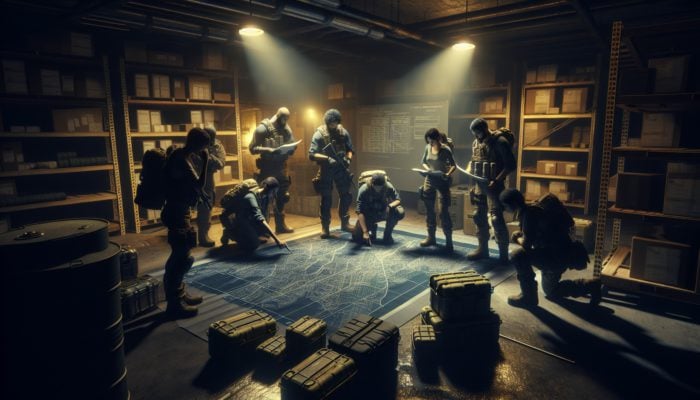
Successfully implementing SHTF security measures requires a deep understanding of key principles that underpin effective security strategies. This essential process involves engaging in proactive planning, mastering <a href=”https://limitsofstrategy.com/social-media-management-services-for-exmouth-small-businesses/”>resource management</a>, and executing thorough risk assessments. In unpredictable environments, the ability to anticipate and respond to potential threats becomes crucial. By adopting widely applicable preparedness strategies, both individuals and communities can create a strong foundation that enhances safety and resilience, empowering them to effectively confront a variety of challenges.
What Factors Impact the Effectiveness of SHTF Security Measures?
Numerous factors can greatly affect the effectiveness of SHTF security measures, including environmental conditions, social dynamics, and individual behaviours. By gaining a profound understanding of these influences, you can formulate effective strategies tailored to various specific scenarios. The primary benefits that stem from this comprehension include:
- Enhanced situational awareness, which allows for prompt responses to emerging threats
- Improved resource allocation aimed at critical areas of need
- Increased adaptability to changing conditions and challenges
- Strengthened community resilience during adverse circumstances
By carefully analysing these factors, you can build robust security frameworks that withstand the stresses of crises, thus ensuring a safer environment for everyone involved.
How to Develop a Comprehensive Foundational Security Plan?
Crafting a foundational security plan begins with recognising the importance of self-reliance and situational awareness. This intricate process should include identifying potential threats, assessing available resources, and establishing effective communication protocols. The ultimate goal is to nurture long-term resilience through flexible strategies that can adapt to a wide range of scenarios, ensuring your community is thoroughly prepared for any situation that may arise.
How to Effectively Evaluate and Mitigate Potential Risks?

When faced with a SHTF scenario, prioritising the assessment of potential risks should be your foremost concern. Start by identifying vulnerabilities in your environment that may arise from natural disasters, civil unrest, or public health emergencies. Implement scenario analysis techniques to envision possible outcomes and devise tailored responses. Ensure that resource allocation is strategic, focusing on essential supplies such as food, water, and medical provisions. Regularly revisiting these assessments can refine your security measures, thereby fortifying your defences against unforeseen threats.
How Can You Accurately Determine Your SHTF Security Needs?
Identifying Your Essential Security Requirements
To accurately assess SHTF security needs, you must conduct a comprehensive evaluation of your resources while anticipating potential threats. This evaluation begins with a meticulous inventory of critical supplies, including food, water, medical equipment, and self-defence tools. Engaging in community discussions can yield valuable insights into local vulnerabilities, assisting in identifying specific requirements necessary for effective preparedness and response.
How to Prioritise Key Security Elements Based on Importance?

A comprehensive approach to security necessitates prioritising elements based on urgency and potential impact. Begin by addressing the most critical survival needs, such as shelter, water, and food. By focusing on these essential components, individuals and communities can allocate resources more effectively, ensuring that the most pressing risks are addressed promptly. This method proves vital for maintaining concentration amid chaotic situations, significantly enhancing overall preparedness and resilience.
How to Seamlessly Integrate Security Practices into Your Daily Life?
Incorporating security measures into your everyday routines can greatly enhance your ongoing readiness. Simple actions, such as regularly checking emergency supplies, engaging in community preparedness activities, and maintaining situational awareness, can significantly fortify your security posture. By emphasising flexibility within these practices, individuals can respond effectively to changing conditions while fostering a culture of mindfulness regarding both personal and community safety.
Expert Insights on Establishing Effective SHTF Security Protocols
Leveraging Advanced Threat Analysis Techniques for Improved Preparedness
Expertise in identifying potential risks involves systematic approaches, such as conducting thorough threat assessments and utilising intelligence networks. For example, analysing historical data can reveal patterns of civil unrest or natural disasters prevalent in specific regions. Real-world case studies demonstrate that communities employing proactive assessment methods are better equipped to face challenges, leading to fewer casualties and reduced property losses during emergencies.
Strategies for Optimising Resource Allocation for Improved Security
To effectively allocate resources, actionable steps must include conducting regular audits of supplies and revisiting plans to ensure they align with current threats. Experts recommend a tiered approach, prioritising the most critical resources—such as food and water—first, followed by secondary resources like safety equipment and communication tools. This focus facilitates a balanced security strategy that maximises outcomes even under pressure, fostering a more resilient community.
Why Are Expert Strategies Essential for Effective Security Planning?
Professional guidance plays a crucial role in the planning and execution of security measures. Evidence-based methods significantly enhance the efficacy of security protocols, as experts use their extensive experience to assist individuals and communities in making informed decisions. Recognising the importance of expert strategies ensures that your security measures remain relevant and effective amid evolving challenges, contributing to a safer environment for all.
Implementing Comprehensive SHTF Security Measures
Creating a Secure Environment for Enhanced Safety
Establishing a secure environment involves devising protective measures using various tools and methodologies. Start by meticulously assessing your living space for vulnerabilities, such as weak entry points or insufficient lighting. Implementing enhancements like reinforced doors, motion-sensor lighting, and surveillance systems can significantly bolster your home's security. The adaptable application of these techniques allows individuals to tailor security measures to their unique circumstances and needs, ensuring a proactive stance on safety.
What Challenges Might You Face During Implementation?
Challenges in executing security measures often arise from limited resources, a lack of community support, or insufficient knowledge. Addressing these challenges requires adaptive solutions, such as fostering collaborative efforts within communities to share resources and knowledge. Regular training and education can empower individuals to overcome these obstacles, cultivate a proactive security mindset, and ensure collective safety and resilience.
How to Maintain Operational Readiness for Security Measures?
Ensuring the functionality of security systems over time is critical for their long-term effectiveness. Establish routine checks to verify that supplies are adequately stocked, equipment is operational, and emergency plans are current. This proactive approach helps identify potential weaknesses before they escalate into critical issues, ensuring you remain prepared for any eventuality and can respond effectively to emerging threats.
How to Evaluate and Enhance Your Security Protocols?
A systematic approach to assessing the effectiveness of security measures is vital for adapting to evolving threats. Conduct regular reviews of your security protocols to identify vulnerabilities and areas needing improvement. Implement feedback mechanisms that allow community members to share insights, cultivating an environment of continuous learning and adaptation. This method guarantees that security measures evolve in line with emerging threats, maintaining their effectiveness over time and enhancing community resilience.
What Are the Core Components of Effective SHTF Security?
Key Elements for a Comprehensive Security Strategy
An effective security plan consists of fundamental components such as surveillance, defensive mechanisms, and communication systems. These elements must work together cohesively to ensure comprehensive protection against all potential vulnerabilities, thereby creating a robust approach to personal and community safety. By integrating these components, individuals can establish layers of protection that significantly enhance overall security and preparedness.
How to Tailor Security Components to Address Your Specific Needs?
Customising security elements to align with individual needs requires recognising personal circumstances and available resources. For instance, urban residents may prioritise different security measures compared to those living in rural environments. The flexibility in adapting components allows for a tailored approach, ensuring that security measures effectively address specific threats while accommodating lifestyle requirements. Engaging with community members to share experiences and strategies can strengthen this process, fostering a collaborative security environment.
How to Evaluate the Integration of Security Components?
Assessing how various security components work together is crucial for achieving optimal results. A cohesive strategy ensures that each element complements others, thereby enhancing overall effectiveness. Analysing the integration of surveillance with defensive mechanisms can highlight coverage gaps, enabling targeted improvements. Striving for harmony among components fosters a more robust security posture, ensuring comprehensive protection against potential threats.
Research-Driven Benefits of Implementing SHTF Security Measures
Evidence-Based Strategies for Effective Security Planning
Proven security planning techniques are firmly rooted in real-world examples, demonstrating their effectiveness across a variety of scenarios. For instance, communities that conducted thorough security assessments prior to crises reported significantly lower impacts during emergencies. By leveraging these best practices, individuals and communities can make informed decisions, ensuring their measures are based on validated strategies rather than mere speculation.
Long-Term Advantages of Effective Security Strategies
The enduring benefits of implementing effective SHTF security measures include enhanced resilience and bolstered community cohesion. By adopting informed approaches, communities can achieve greater preparedness, fostering a sense of confidence among members. Over time, cultivating a culture of security awareness reinforces the fabric of society against future threats, creating a safer environment for everyone involved.
Why Do Outcomes of Security Measures Differ?
Various factors can influence the outcomes of security measures, including community engagement, resource availability, and the dynamic nature of threats. The actions taken by individuals and collectives play a pivotal role in determining the effectiveness of security strategies. By recognising these variables, individuals can take actionable steps to enhance their preparedness and response capabilities, ultimately improving their overall security posture.
Advanced Techniques for Enhancing SHTF Security
Creative Approaches to Security Methods for Improved Safety
Enhancing security through innovative, adaptive techniques is crucial for staying ahead of potential threats. Explore creative solutions such as employing technology for surveillance, utilising non-traditional barriers for physical security, or establishing community watch programs. Each method encourages proactive engagement with security measures, fostering a culture of vigilance and responsibility, ensuring that everyone plays a vital role in their own safety.
What Advanced Tools Can Elevate Your SHTF Security Efforts?
Utilising advanced security tools can significantly enhance your protective measures. Some key advantages include:
- Real-time surveillance and monitoring capabilities
- Automated alerts for unusual activities
- Improved communication systems for coordinated responses
- Access to comprehensive resource management tools
Incorporating these tools into your security strategies greatly enhances the overall effectiveness of protective measures, ensuring a more robust response to emerging threats and challenges.
How to Scale Up Security Efforts as Needs Evolve?
Adapting security measures as circumstances change is essential for maintaining preparedness. As situations evolve, individuals and communities must be open to expanding their strategies and incorporating more advanced techniques and tools as necessary. This adaptability ensures that security efforts remain relevant and effective in the face of new challenges, reinforcing the commitment to safety and resilience.
Why Is Adaptation Crucial for SHTF Security Success?
Recognising and Responding to Changing Dynamics in Security
Flexibility in security plans is paramount for effectively addressing shifting threats. The ability to respond to new information and changing circumstances is crucial for maintaining effectiveness. By routinely reassessing the security landscape, individuals can adjust their strategies to mitigate risks and safeguard their well-being, ensuring they remain prepared for any eventuality.
How to Foster Adaptability Within Your Security Framework?
Building responsive security frameworks requires cultivating a culture of learning and adjustment. Encourage community discussions focused on potential threats and the effectiveness of current measures. Additionally, training sessions and drills can enhance adaptability, ensuring individuals are well-prepared to modify their approaches as necessary and maintain a proactive stance towards security.
How to Measure the Success of Adaptation in Your Security Practices?
Evaluating the indicators of successful changes in security approaches is essential for refining practices over time. Key metrics may include response times during drills, levels of community engagement, and overall readiness assessments. Regular reviews of these indicators provide valuable insights into how effectively security measures achieve their objectives and highlight areas requiring improvement, ensuring continuous enhancement of security protocols.
Strategies for Sustaining Effective SHTF Security Measures
Long-Term Maintenance Practices for Security Systems
Ongoing practices to uphold security, such as routine assessments and updates, are vital for ensuring durability. Regularly scheduled reviews of emergency plans and resources allow for timely updates and necessary adjustments. This unwavering commitment to maintenance guarantees that security measures remain effective over time and are prepared for any eventuality.
What Does Ongoing Training Involve in Security Contexts?
Continuous security education encompasses various elements, including workshops, drills, and community engagement activities. By fostering skill development, you enhance confidence and preparedness among individuals. Training should cover practical skills, decision-making under pressure, and effective communication strategies, all of which are crucial for improving overall readiness in times of crisis.
How to Integrate Security into Everyday Lifestyle Changes?
Embedding security into daily habits creates a lasting impact on overall safety and resilience. Key benefits of this integration include:
- Increased awareness of surroundings and potential threats
- Improved response times to emergencies and crises
- Enhanced community cohesion through shared security practices
- Sustained focus on personal safety and security
By weaving security into everyday life, individuals and communities can maintain a strong commitment to preparedness and resilience, ensuring collective safety in uncertain times.
How to Monitor and Update Security Protocols Regularly?
Continually assessing and adapting security measures against emerging threats is essential for maintaining effectiveness. Employing surveillance tools and establishing regular review processes helps identify vulnerabilities and prompt necessary updates. This proactive approach ensures that security measures evolve alongside potential risks, thereby reinforcing long-term protection and contributing to overall community safety.
Frequently Asked Questions (FAQs)
What Do SHTF Security Measures Entail?
SHTF security measures encompass strategies and protocols designed to safeguard individuals and communities during emergencies, ensuring safety and stability in unpredictable circumstances.
Why Is Risk Assessment a Critical Component of Security?
Risk assessment is vital as it identifies vulnerabilities and potential threats, enabling proactive strategies to mitigate risks effectively before they escalate into crises.
How Can I Effectively Assess My SHTF Security Needs?
Evaluating your SHTF security needs involves analysing available resources, identifying potential threats, and prioritising security elements based on urgency and impact.
What Role Does Community Engagement Play in Enhancing Security?
Community engagement fosters collaboration, resource sharing, and collective preparedness, thereby strengthening the overall security posture and enhancing resilience against emergencies.
How Do Expert Strategies Improve Security Planning?
Expert strategies provide evidence-based methods that enhance the effectiveness of security measures, leveraging knowledge and experience to guide individuals and communities in their preparedness efforts.
What Are Some Essential Components of Comprehensive Security?
Essential components of security measures include surveillance systems, communication protocols, resource management, and physical defences to ensure comprehensive coverage against potential threats.
What Steps Are Involved in Creating a Secure Environment?
Creating a secure environment entails assessing vulnerabilities within your space, reinforcing entry points, implementing surveillance, and nurturing community support to enhance overall safety.
What Are the Benefits of Integrating Security into Daily Practices?
Integrating security into daily routines promotes ongoing preparedness, enhances situational awareness, and fosters a culture of responsibility for personal and community safety.
How Frequently Should I Update My Security Protocols?
Security protocols should undergo regular updates, ideally at least annually or following any significant changes in circumstances, to ensure they remain relevant and effective against evolving threats.
What Are Effective Strategies for Long-Term Security Maintenance?
Effective long-term maintenance strategies include routine audits of security measures, continuous education and training, and community engagement to reinforce a commitment to safety and preparedness.
Connect with us on X today!
The post SHTF Security Measures: Key Strategies for Preparedness appeared first on Survival Bite.
The Article SHTF Security Measures: Essential Strategies for Readiness Was Found On https://limitsofstrategy.com
The Article SHTF Security Measures: Key Strategies for Preparedness found first on https://electroquench.com