Explore Comprehensive Insights on FBC Testing in Gloucester
What Is the Purpose of an FBC Test?
Private FBC Test in Gloucester: An FBC test, or Full Blood Count test, serves as a critical diagnostic measure extensively employed across the UK, including Gloucester, to evaluate various blood components. This essential test is pivotal for identifying potential health concerns by analysing crucial blood markers. It plays a significant role in routine health evaluations, enabling the early detection of conditions such as anaemia, infections, and other serious blood-related disorders that could have an adverse impact on overall health.
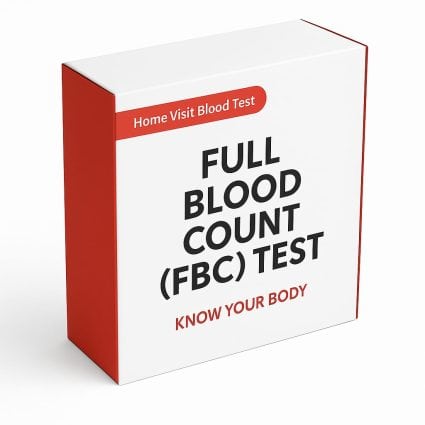

The FBC test includes a range of common blood markers, such as:
- Red Blood Cells (RBC)
- Haemoglobin (Hb)
- Hematocrit (Hct)
- White Blood Cells (WBC)
- Platelets
- Mean Corpuscular Volume (MCV)
- Mean Corpuscular Haemoglobin (MCH)
- Mean Corpuscular Haemoglobin Concentration (MCHC)
Clinics throughout Gloucester routinely integrate this essential test into their standard health protocols, significantly contributing to effective patient health management by empowering healthcare professionals to make informed decisions based on reliable data.
Key Preparation Guidelines for FBC Testing in the UK
Preparing for an FBC test in Gloucester is vital to ensure the accuracy of the results. Typically, patients are advised to fast for a specific duration before the test, usually ranging between 8 to 12 hours, as per the healthcare provider’s recommendations. Staying hydrated is equally crucial; drinking water aids in facilitating the blood draw and can improve the quality of the collected sample. Adhering to NHS guidelines is essential, as it promotes reliable diagnostics. Healthcare professionals in Gloucester usually provide tailored instructions based on individual health needs, ensuring patients are adequately prepared for their tests and fully understand the significance of these measures.
Moreover, patients should inform their healthcare provider about any medications they are currently taking, as certain drugs may affect the results of blood tests. It is also important to disclose any conditions, such as fever or infection, as these factors could significantly influence the interpretation of the findings. Overall, thorough preparation tailored to local health standards greatly enhances the dependability of the outcomes from the FBC test.
What Are the Common Uses of FBC Testing in Gloucester?
In Gloucester, FBC tests are widely used in hospitals and local laboratories to screen for a variety of health conditions. These tests play a crucial role in monitoring responses to medications, identifying infections, and assessing overall health status. By providing critical data regarding blood composition, these tests empower clinicians to make informed decisions about patient care within the NHS framework. They serve a dual purpose: detecting existing health issues and supporting the ongoing management of chronic conditions, which is essential for effective healthcare delivery.
For instance, in situations where anaemia is suspected, an FBC can confirm low red blood cell counts, prompting further evaluation and treatment. Likewise, elevated white blood cell counts may signify an infection or underlying inflammation, crucial for timely medical interventions. The importance of FBC tests in patient management cannot be overstated, as they underpin the diagnostic processes within Gloucester’s healthcare system, ensuring that patients receive the highest quality of care.
How Can You Effectively Interpret FBC Test Results?
Interpreting FBC test results in the UK necessitates a nuanced understanding of various blood markers. Clinicians in Gloucester follow NHS guidelines to meticulously evaluate these results, examining key indicators such as red and white blood cells. For example, a low red blood cell count might indicate anaemia, while abnormal levels of white blood cells could suggest an infection or other health issues that require further investigation.
Healthcare professionals dedicate time to elucidating these results to patients, ensuring they comprehend the implications of their findings, thereby fostering an environment of trust. This patient-centric approach empowers individuals to take control of their health. Furthermore, appropriate follow-ups based on FBC results are critical; additional tests may be ordered or treatment plans adjusted to address identified health concerns. This systematic approach highlights the significance of FBC testing in enabling optimal health management in Gloucester.
Where Can You Access FBC Testing Services in Gloucester?
Access to FBC tests in Gloucester is extensive, with numerous options available through NHS clinics and local laboratories. Patients can choose between walk-in services and scheduled appointments, making it easier to secure necessary healthcare resources. This accessibility aligns with the UK’s commitment to promoting routine health screenings, vital for early intervention and comprehensive patient care, ultimately leading to improved health outcomes.
Local healthcare facilities in Gloucester are well-equipped to conduct these tests, ensuring timely availability of results. The integration of FBC tests into standard healthcare practices underscores their essential role in maintaining public health. This widespread availability not only enhances patient outcomes but also reinforces the importance of regular screening in preventing chronic health conditions, promoting a healthier community overall.
How Do FBC Tests Significantly Benefit Patients?
Understanding the Crucial Role of FBC Tests in Diagnosing Health Issues
FBC tests hold immense value in diagnosing blood disorders within the UK’s healthcare ecosystem. They empower clinicians to identify potential issues early on, facilitating timely interventions that can greatly enhance patient outcomes. In Gloucester, healthcare facilities utilise FBC test results to formulate evidence-based treatment plans tailored to the unique needs of each patient, thereby improving the efficacy of medical care.
For example, if a patient presents with fatigue, an FBC test can swiftly reveal whether they have low haemoglobin levels indicative of anaemia, enabling prompt treatment. Such proactive measures not only improve recovery rates but also alleviate the long-term burden on the healthcare system by managing issues before they escalate into more severe conditions.
The capacity to identify a spectrum of disorders, from infections to blood cancers, underscores the vital importance of FBC tests in the diagnostic landscape. By offering a comprehensive overview of a patient’s health status, these tests empower healthcare providers in Gloucester to make informed and timely decisions that directly influence patient care and enhance health outcomes.
What Can FBC Results Indicate About Your Health?
FBC test results can unveil numerous underlying health issues, guiding further diagnostic and treatment pathways. For instance, elevated white blood cell counts often indicate an infection, while low platelet counts might suggest a bleeding disorder. In Gloucester, healthcare professionals depend on these indicators to ascertain the necessity for additional tests or immediate interventions, ensuring that patients receive timely care.
Normal ranges for various markers are established based on extensive research, providing a benchmark against which individual results can be evaluated. Should a patient’s results deviate from these established ranges, clinicians are equipped to interpret the significance of these abnormalities and suggest appropriate actions. This methodical approach helps forge a clear connection between FBC results and potential health issues, fostering a proactive healthcare strategy that encourages early intervention.
What Are the Long-Term Advantages of Regular FBC Testing?
Regular FBC testing in the UK, particularly in Gloucester, plays a key role in ongoing health monitoring. By identifying shifts in blood composition over time, patients can benefit from proactive care strategies tailored to their unique health profiles. This consistent monitoring is essential for effectively managing chronic conditions and minimising the risk of complications, ultimately leading to enhanced quality of life for patients.
In Gloucester, healthcare professionals encourage patients to undergo FBC tests periodically, especially those with pre-existing health issues or risk factors. The long-term advantages of this practice are evident; studies indicate that individuals who participate in routine blood testing experience improved management of conditions such as diabetes, cardiovascular diseases, and other chronic ailments. Ultimately, incorporating regular FBC testing into healthcare practices fosters a culture of proactive health management that enhances overall well-being and reduces healthcare costs.
Insights from Experts on FBC Testing in Gloucester
How Accurate and Reliable Are FBC Tests?
The accuracy of FBC tests is paramount for ensuring effective diagnoses and treatment within the UK. Laboratories in Gloucester implement stringent quality control measures to maintain high standards, including the use of advanced technology and trained professionals adept at handling blood samples. These practices are crucial for achieving reliable results that healthcare providers can trust, ultimately benefiting patient care.
Real-world examples from Gloucester highlight the importance of accuracy in FBC testing. For instance, a local laboratory recently invested in state-of-the-art analysis equipment, significantly reducing the margin of error in test results. Such advancements not only bolster patient confidence but also enhance health outcomes by ensuring timely and appropriate interventions. Patients can take comfort in knowing that the results of their tests originate from facilities that prioritise accuracy and reliability in their diagnostic processes.
How Are FBC Results Interpreted Collaboratively with Experts?
Interpreting FBC results necessitates a sophisticated understanding of the various blood markers and their correlation to overall health. In Gloucester, experts lead the analysis of these results, drawing on clinical experience and established NHS protocols. This expert analysis demystifies the complexities of blood tests for patients, enabling them to clearly grasp the implications of their results and encouraging their active participation in their healthcare.
Case studies from Gloucester illustrate effective clinical decision-making informed by thorough interpretation of FBC results. For example, a patient with elevated white blood cells was promptly referred for further testing, leading to the early diagnosis of an underlying infection. Such scenarios demonstrate how expert interpretation plays a pivotal role in guiding clinical actions that positively influence patient health and outcomes.
What Advanced Applications of FBC Testing Exist in Modern Healthcare?
The applications of FBC tests extend beyond basic diagnostics into the realm of advanced medical research and practice. In the UK, including Gloucester, researchers are continually investigating how FBC tests can be leveraged in innovative ways to enhance patient care. One notable advancement is the integration of FBC results into electronic health records, facilitating real-time monitoring and analysis that can significantly enhance clinical outcomes.
For instance, hospitals in Gloucester have initiated programmes that utilise FBC data to develop predictive models of patient outcomes, improving the ability to tailor treatments to individual health metrics and elevating the overall quality of care. These advanced applications not only expand the frontiers of traditional testing but also contribute to advancing medical knowledge and establishing new standards for patient care in the region.
How Is Expert Training Conducted on FBC Testing Procedures?
The expertise of healthcare professionals is essential for the effective implementation of FBC tests. In Gloucester, dedicated training programmes are established to equip healthcare workers with the necessary skills to conduct and interpret these tests accurately. Such initiatives foster adherence to established guidelines and promote high standards of diagnostic proficiency, ultimately benefiting patient health.
Training workshops in Gloucester focus on the latest advancements in blood testing techniques and result interpretation, ensuring that healthcare professionals remain well-informed of best practices. By investing in ongoing education, local health authorities enhance the overall quality of care provided to patients, ultimately leading to improved health outcomes. This commitment to expertise in FBC testing is vital for shaping a healthcare system that prioritises accurate diagnostics and effective patient management.
Evidence-Based Benefits of FBC Testing in Gloucester
In What Ways Does FBC Testing Support Preventive Healthcare?
FBC tests play an integral role in preventive healthcare across the UK, as they assist in the early identification of potential health concerns. Research from Gloucester indicates that timely FBC screening significantly diminishes hospital admissions by recognising conditions before they escalate into serious health crises. For instance, early detection of anaemia or infections allows for immediate intervention, thereby preventing complications that could lead to hospitalisation.
Studies reveal that regular FBC testing promotes a culture of proactive health management, motivating patients to become more engaged in their healthcare. By addressing health concerns promptly, the local healthcare system can focus resources on preventive measures, ultimately enhancing public health outcomes and fostering community well-being.
What Key Findings Have Emerged from Research Studies on FBC Testing?
Research conducted in Gloucester has underscored the numerous advantages of FBC tests, particularly in monitoring treatments and managing chronic conditions. Key findings from these studies highlight the following evidence-based outcomes:
- Early detection of blood disorders facilitates timely treatment.
- Improved management of chronic diseases through consistent monitoring.
- Reduction in emergency hospital visits owing to proactive care.
- Enhanced patient satisfaction and engagement in health journeys.
- Increased awareness of health issues within the community.
These findings advocate for the widespread adoption of FBC tests as a cornerstone of preventive healthcare strategies throughout Gloucester, showcasing their pivotal role in fostering a healthier population.
How Does FBC Testing Integrate with Other Health Assessments?
FBC tests can significantly enhance diagnostic processes when combined with other health assessments and imaging studies. In Gloucester, healthcare providers frequently integrate FBC results with diagnostic scans to develop a more comprehensive understanding of a patient’s health status. This integrative approach allows clinicians to correlate findings across different tests, leading to more accurate diagnoses and effective treatment plans.
For instance, when a patient presents with symptoms indicative of an infection, combining FBC testing with imaging can clarify the underlying issues with greater accuracy. Such comprehensive analyses are essential for formulating targeted interventions and optimising patient care. The synergy between FBC tests and other diagnostic tools exemplifies the importance of a holistic approach to healthcare in Gloucester.
What Economic Advantages Are Associated with FBC Testing in Gloucester’s Healthcare System?
Conducting FBC tests offers substantial economic benefits within the Gloucester healthcare landscape. By facilitating early detection of health issues, these tests contribute to reducing NHS expenditure by preventing costly interventions and hospitalisations. Research indicates that patients who undergo regular FBC testing are less likely to require emergency care, resulting in significant savings for the healthcare system.
Local studies demonstrate that incorporating FBC tests into routine healthcare practices not only enhances patient outcomes but also streamlines healthcare costs. This economically advantageous aspect of FBC testing underscores the necessity of investing in preventive care as a strategy for sustainable health management in Gloucester, ultimately benefiting both patients and the healthcare system.
What Long-Term Patient Outcomes Arise from Consistent FBC Monitoring?
Research emerging from Gloucester highlights the long-term benefits associated with regular FBC testing. Patients who consistently participate in this crucial health check illustrate improved management of chronic diseases, enhanced survival rates, and an overall better quality of life. The continuous monitoring enabled by FBC tests facilitates timely adjustments to treatment plans, ensuring that patient care aligns optimally with their evolving health needs.
Data collected over the years reveals that individuals engaged in routine FBC monitoring report better overall health outcomes, including a decreased incidence of severe health complications. This evidence underscores the importance of FBC tests as a fundamental element of a proactive healthcare strategy, empowering patients to take charge of their health journeys in Gloucester.
What Are the Standard Procedures Involved in FBC Testing?
What Are the Standard Methods for Blood Draw in FBC Testing?
The procedures for conducting an FBC test in Gloucester typically involve a quick blood sample collection via venipuncture. Trained healthcare professionals adhere to stringent safety protocols to minimise discomfort and ensure efficient testing. The blood draw is usually performed in a clean and sterile environment, with patients comfortably seated to enhance their experience.
Common practices include employing a tourniquet to engorge the veins, making access easier. Once the appropriate site is selected, the area is cleaned with an antiseptic wipe before needle insertion. This method is both effective and safe, ensuring that patients experience minimal discomfort. The expertise of healthcare professionals in Gloucester significantly contributes to the overall experience, fostering patient confidence in the testing process and ensuring accurate results.
What Are the Post-Test Follow-Up Procedures and Their Importance?
After an FBC test, patients in Gloucester typically receive their results through secure channels such as patient portals or direct communication from their healthcare providers. Upon reviewing their results, patients are encouraged to schedule follow-up consultations to discuss any findings and devise necessary actions or treatment plans based on their health status.
This follow-up process is crucial for addressing any abnormal results that may necessitate further investigation or intervention. Healthcare professionals take the time to explain the implications of the results and guide patients on next steps, ensuring they are well informed and engaged in their healthcare decisions. This supportive approach is central to patient care in Gloucester, enhancing the overall healthcare experience and fostering a partnership between patients and providers.
What Are the Potential Complications to Be Aware Of?
While FBC tests are generally safe, patients in Gloucester should be aware of some potential complications. Bruising at the needle site is the most common issue, which typically resolves within a few days. Patients might also experience mild discomfort or tenderness in the area from where the blood was drawn, which is usually temporary and manageable.
Healthcare providers in Gloucester proactively educate patients about these minor side effects, reassuring them that they are typically not serious. If any unusual symptoms occur, such as excessive bleeding or signs of infection at the site, patients are advised to contact their healthcare provider immediately. This focus on patient education underscores the commitment to safety and well-being within the Gloucester healthcare system, ensuring that patients feel supported throughout their healthcare journey.
What Are the Pre-Test Instructions for Optimal Results?
Before undergoing an FBC test, patients in Gloucester are often advised to follow specific pre-test instructions to ensure reliable results. This may include fasting for a certain period, typically recommended to be between 8 to 12 hours before the test. Additionally, patients are advised to avoid certain medications or activities that may affect their blood test results, ensuring the accuracy and validity of the findings.
Healthcare providers offer detailed guidance tailored to individual circumstances, ensuring patients understand how to effectively prepare for their FBC test. This thorough preparation process is designed to minimise potential risks during the procedure and enhance the accuracy of the test results. By adhering to these instructions, patients can take an active role in their healthcare and promote the best possible outcomes from their FBC tests.
How Is FBC Results Interpreted Collaboratively?
Interpreting FBC results requires the expertise of trained healthcare professionals in Gloucester, who analyse the findings and discuss normal and abnormal values with patients. Understanding these results is essential for patients to grasp the implications for their health and well-being, empowering them to make informed decisions about their care.
Clinicians take the time to explain the significance of various markers, such as haemoglobin levels and white blood cell counts, offering insights into what these figures mean for overall health. If abnormalities are detected, healthcare providers recommend appropriate follow-up actions, ensuring that patients are well-informed and prepared to discuss further steps. This collaborative approach to interpreting FBC results reinforces the focus on patient-centred care within Gloucester’s healthcare system, fostering a supportive environment for patients.
What Key Considerations Should Be Made for FBC Testing?
What Are the Cost and Accessibility of FBC Tests in the UK?
In Gloucester, the cost of FBC tests is generally covered by NHS services, making them widely accessible and affordable for residents. This accessibility is crucial in promoting routine health screenings, as the NHS strives to ensure that all individuals receive necessary healthcare without financial burdens. For those who prefer or require private healthcare options, Gloucester also offers various private clinics providing FBC tests, allowing for greater flexibility for patients seeking alternatives.
The affordability and accessibility of FBC tests are key to encouraging regular health checks, thereby improving health outcomes across the community. By eliminating financial barriers, the healthcare system in Gloucester fosters a proactive approach to health management, empowering individuals to take charge of their well-being and engage in preventive care.
How to Choose the Right Facility for Your FBC Test?
When selecting a facility for FBC tests, patients in Gloucester should consider several factors to ensure quality care. Accreditation is paramount; patients should seek out laboratories and clinics that meet NHS standards. Additionally, wait times and patient reviews can provide insight into the quality and efficiency of the services offered, enabling informed choices.
Choosing a reputable facility not only guarantees reliable test results but also enhances the overall healthcare experience. Gloucester’s healthcare landscape provides a variety of options, allowing patients to find a facility that meets their specific needs and preferences. By prioritising these factors, individuals can secure the best possible care for their FBC testing, ensuring optimal health outcomes.
Why Is Timing Crucial for FBC Testing?
Timing is a critical aspect of FBC testing in the UK, particularly in Gloucester, as it can significantly influence the accuracy of results. For example, conducting tests during the acute phase of an infection can yield different results than those obtained after the infection has resolved. This variance highlights the importance of timing in optimising diagnostic accuracy and informing effective health strategies.
Healthcare professionals in Gloucester advise patients on the optimal timing for FBC tests based on their specific health conditions and symptoms. Understanding how timing can affect results empowers patients to make well-informed decisions regarding their healthcare, ultimately leading to more effective management of their health conditions and better overall outcomes.
What Are the Frequently Asked Questions About FBC Testing?
What Does an FBC Test Measure?
An FBC test measures various blood components, including red blood cells, white blood cells, and platelets, to assess overall health and detect potential disorders that may require attention.
How Long Does It Take to Receive FBC Results?
Typically, FBC results are available within a few days, although some facilities in Gloucester may offer faster turnaround times, ensuring timely access to important health information.
Is Fasting Necessary Before an FBC Test?
Fasting is often recommended prior to an FBC test, usually for 8 to 12 hours, to ensure accurate results that reflect true health conditions.
Can I Undergo an FBC Test Privately?
Yes, several private clinics in Gloucester provide FBC tests, offering an alternative for those who prefer not to use NHS services, thus allowing for greater flexibility in healthcare choices.
What Should I Do If My FBC Results Are Abnormal?
If your FBC results are abnormal, your healthcare provider will discuss the implications and recommend necessary follow-up tests or treatments to address any identified concerns.
Are There Any Risks Associated with FBC Tests?
FBC tests are generally safe, but potential risks include bruising or discomfort at the blood draw site, which is usually minor and resolves quickly.
How Often Should I Have an FBC Test?
The frequency of FBC tests depends on individual health needs; those with chronic conditions may require regular testing, while others might only need it during routine check-ups to monitor their health.
What Happens During an FBC Test?
During an FBC test, a healthcare professional will take a blood sample, typically from a vein in your arm, using a sterile needle to ensure safety and accuracy.
Can I Eat or Drink Before an FBC Test?
Patients are usually advised to abstain from food and drink (except water) for a specified period before the test to ensure accurate results that reflect their health status.
Who Interprets the FBC Test Results?
FBC test results are typically interpreted by trained healthcare professionals who explain the findings and their implications to the patient, fostering understanding and informed decision-making.
Join Our Community on Facebook!
This Article Was First Found On https://bloodtest.co.uk
The Article FBC Test: Essential Information for Gloucester Residents found first on https://electroquench.com