A Comprehensive Overview of Cholesterol Blood Tests Available in Maidstone
Essential Steps for Your Initial Consultation
Private Blood Test for High Cholesterol in Maidstone: Residents are encouraged to start by discussing any symptoms or risk factors with their GP that may warrant a cholesterol blood test. This preliminary consultation plays a vital role in assessing individual health profiles and determining the necessity of testing. GPs in Maidstone offer personalised recommendations based on both personal and family medical histories, ensuring that patients receive tailored advice. Following this discussion, GPs can facilitate cholesterol testing through local NHS services, streamlining the process for patients.
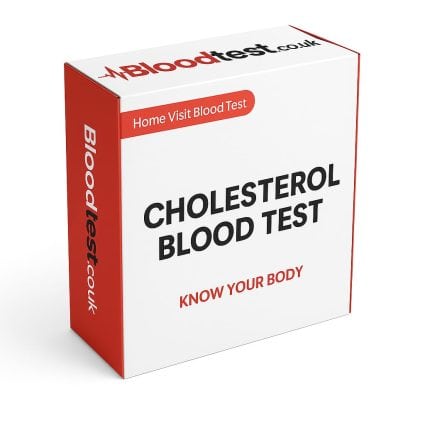

Once the decision to undergo a blood test is made, patients receive comprehensive information about the subsequent steps. This includes insights into the testing process, possible outcomes, and the importance of monitoring cholesterol levels. Understanding the implications of high cholesterol is crucial, as it can lead to severe health complications, including <a href="https://electroquench.com/heart-disease-prevention-for-women-in-the-uk-a-guide/">heart disease</a> and stroke. Engaging in an informed dialogue with healthcare professionals is a vital aspect of this process.
Ultimately, the initial consultation not only prepares patients for testing but also empowers them with knowledge about their health. This proactive approach is especially beneficial in Maidstone, where local healthcare providers are committed to improving heart health and preventing cardiovascular diseases through ongoing monitoring and education.
What Preparations Are Necessary Before Testing?
Before undergoing a cholesterol blood test, Maidstone residents must follow specific preparation guidelines to ensure accurate results. A primary requirement is fasting for several hours prior to the test; typically, patients are advised to fast for 9-12 hours, consuming only water. This fasting period removes variables that could distort cholesterol levels, providing a clearer picture of a patient’s health.
During the fasting period, patients may need to avoid certain medications that could affect their cholesterol readings. It is essential to consult with a healthcare professional at the Maidstone clinic regarding any current medications, as some drugs may alter lipid levels. Patients should not stop taking prescribed medications without discussing it with their doctor, as this could lead to health complications.
Awareness of lifestyle factors leading up to the test is also critical. Stress, physical activity, and alcohol consumption can all impact cholesterol levels. Patients should strive to maintain a balanced routine and effectively manage stress to help achieve more reliable test results. By adhering to these preparation guidelines, individuals can ensure that their Cholesterol test results accurately reflect their true health status.
What Is Involved in the Sample Collection Process?
The procedure for collecting a cholesterol test sample in Maidstone is straightforward and generally takes place at a local clinic or hospital laboratory. A qualified healthcare professional will draw a small blood sample from a vein in the arm using sterile equipment. This procedure is quick, typically taking only a few minutes, and is performed by trained staff to ensure both safety and comfort.
After the blood sample is collected, it is dispatched to a certified laboratory for analysis. In Maidstone, local laboratories adhere to stringent NHS guidelines to ensure the accuracy and reliability of test results. Patients can usually expect to receive their results within a few days, either through their GP or via NHS online services, making it convenient to stay informed about their health.
Patients should remember that while the sample collection process is simple, the results can have significant implications for their health. Understanding cholesterol levels is essential for making informed choices regarding diet, lifestyle, and potential treatments. It is advisable to schedule a follow-up appointment with a healthcare professional to discuss the results and any necessary next steps.
How Do You Arrange a Blood Test for High Cholesterol in Maidstone?
Using Online Booking Systems for Convenience
Scheduling a cholesterol blood test in Maidstone is made more convenient with the introduction of online booking systems. The NHS app and website allow patients to book appointments from the comfort of their homes. By entering their postcode, individuals can locate nearby facilities offering cholesterol testing and select a suitable time slot. This streamlined process saves time and guarantees prompt access to essential health services.
Through the NHS app, patients can also manage their health records, view test results, and receive reminders for upcoming appointments. This integration of technology into healthcare enhances patient engagement and encourages proactive health management. For those who prefer digital communication, the online system offers an efficient method to monitor cholesterol levels.
Online booking options are particularly advantageous during busy periods when demand for testing may rise. By reserving an appointment online, patients can avoid lengthy waits and ensure timely testing as part of their overall health strategy in Maidstone.
Arranging Appointments via Telephone
For those who prefer a more personal approach, scheduling a cholesterol blood test via telephone is a practical alternative. Patients can directly contact their local GP surgery in Maidstone to request an appointment. This method allows for immediate communication with healthcare staff, who can answer any queries about the testing procedure and clarify specific requirements based on individual health needs.
When calling, patients should have their NHS number available to facilitate a smoother booking process. Receptionists are trained to assist with scheduling and can provide information on available time slots. This direct interaction also helps address any concerns about fasting requirements or medication considerations prior to the test.
Telephone arrangements provide patients with an opportunity to discuss any symptoms or concerns they may be experiencing. This dialogue is essential for healthcare providers to evaluate the urgency of the test and ensure patients receive appropriate care without delay.
Requesting Appointments In-Person
Another method for scheduling a cholesterol blood test in Maidstone is to visit a local health centre in person. This approach allows patients to engage face-to-face with healthcare staff, providing a chance to ask questions and receive immediate assistance. Upon arrival, individuals can inquire about available appointments and any specific requirements for the test.
In-person requests can be especially beneficial for those who are uncomfortable using online systems or making phone calls. Reception staff can guide patients through the necessary steps, including any required paperwork or identification for the appointment. This personal interaction can help alleviate anxiety, particularly for those with concerns about the testing process.
Visiting a health centre also gives patients the opportunity to collect printed materials and resources on cholesterol management and heart health. This information is invaluable for understanding the significance of cholesterol levels and for maintaining a healthy lifestyle following the test.
Convenient Home Sample Collection Services
For added convenience, home sample collection services are available in Maidstone for cholesterol testing. This service allows healthcare professionals to visit patients’ homes to collect blood samples, making it easier for those with mobility issues or busy schedules to access testing. Patients can request this service through their GP surgery, ensuring compliance with NHS protocols for safety and accuracy.
Home sample collection is particularly advantageous for individuals who may feel anxious about visiting a clinic or face difficulties arranging transportation. The service is conducted by qualified professionals who adhere to strict hygiene and safety standards, ensuring the process is both comfortable and secure. After the sample is collected, it is sent to a certified laboratory for analysis, similar to samples collected in clinics.
This service aligns with the NHS’s commitment to making healthcare accessible to all. By providing home sample collection, healthcare providers in Maidstone are addressing community needs and ensuring that everyone has the opportunity to effectively monitor their cholesterol levels. This approach supports national health policies that prioritise preventive care and early detection of health issues.
Expert Insights on Cholesterol Testing in Maidstone
Upholding Local Laboratory Standards
In Maidstone, local laboratories adhere to stringent standards when analysing cholesterol samples. These facilities comply with NHS protocols to ensure that all tests are conducted with precision and accuracy. For example, the Maidstone and Tunbridge Wells NHS Trust operates laboratories accredited by the UK Accreditation Service, which signifies a commitment to maintaining high-quality testing procedures. This accreditation is essential for ensuring reliable health outcomes.
Real-world examples demonstrate how these local practices ensure accurate analysis. Laboratories utilise advanced technology and skilled technicians to efficiently process samples. Regular audits and quality control measures are implemented to monitor performance and address any discrepancies. This level of oversight is critical for delivering trustworthy results that can guide patients in their health decisions.
Local laboratories often participate in external quality assessment programmes. These initiatives allow them to benchmark their performance against other facilities, ensuring they remain at the forefront of best practices in cholesterol testing. Patients in Maidstone can rest assured that their samples are handled by professionals committed to delivering the highest standards of care.
Ensuring Accurate and Trustworthy Test Results
The accuracy and reliability of cholesterol test results are paramount for effective health management. Residents of Maidstone can take several steps to verify their test results and ensure they accurately reflect their health status. One essential measure is to schedule follow-up appointments with their GP after receiving results. This enables a comprehensive discussion about the findings and any necessary lifestyle modifications or treatments.
Patients should also consider repeating the test if there are any discrepancies or concerns regarding the initial results. Variability can occur due to factors such as recent dietary changes or stress levels. By conducting follow-up testing, individuals can gain a clearer understanding of their cholesterol trends over time, leading to more informed health decisions.
It is advisable for patients to maintain a record of their cholesterol levels and any related health changes. This documentation can be beneficial during consultations with healthcare providers, providing valuable context for interpreting results. By remaining proactive and engaged in their health management, residents of Maidstone can enhance the reliability of their cholesterol test results.
What Are the Challenges in Interpreting Cholesterol Test Results?
Interpreting cholesterol test results can be complex, especially for residents in Maidstone who may not be familiar with the terminology and implications of their readings. Cholesterol levels are generally reported as total cholesterol, LDL (low-density lipoprotein), HDL (high-density lipoprotein), and triglycerides. Understanding these components is vital for assessing cardiovascular risk.
One common challenge is distinguishing between “good” and “bad” cholesterol. Elevated levels of LDL cholesterol are associated with a higher risk of heart disease, whereas HDL cholesterol helps remove excess cholesterol from the bloodstream. Patients may find it difficult to grasp the significance of their specific numbers and how they relate to their overall health. Engaging in discussions with healthcare professionals can clarify these concepts and guide appropriate actions.
Patients should also be aware of the potential for misinterpretation based on single test results. Cholesterol levels can fluctuate due to various factors, including diet, exercise, and stress. Recognising trends over time is essential for making informed health decisions. Regular follow-ups and open communication with healthcare providers can help mitigate these interpretation challenges and promote better health outcomes in Maidstone.
How Do Lifestyle and Diet Impact Cholesterol Levels?
Lifestyle and dietary choices play a significant role in determining cholesterol test outcomes for residents in Maidstone. Recent studies in the United Kingdom have shown that diets high in saturated fats, trans fats, and refined sugars can lead to elevated cholesterol levels. Conversely, a balanced diet rich in fruits, vegetables, whole grains, and healthy fats can help sustain optimal cholesterol levels.
Local medical professionals frequently recommend that patients adopt heart-healthy eating patterns, such as the Mediterranean diet, which focuses on whole foods and healthy fats. Regular physical activity is equally essential; engaging in at least 150 minutes of moderate exercise each week can positively influence cholesterol levels. By incorporating these lifestyle changes, individuals in Maidstone can take proactive steps to improve their cholesterol profiles.
Understanding the relationship between stress and cholesterol is also crucial. High stress levels can lead to unhealthy coping mechanisms, such as overeating or consuming high-fat foods. Residents are encouraged to manage stress through mindfulness practices, exercise, and seeking support from healthcare providers. By addressing both dietary and lifestyle factors, patients can better interpret their cholesterol test results and make informed decisions about their health.
What Factors Affect Cholesterol Levels Prior to Testing?
The Impact of Dietary Choices
The dietary choices made in the days leading up to a cholesterol blood test can greatly impact results. Foods high in saturated fats, such as red meat, full-fat dairy products, and processed snacks, can increase LDL cholesterol levels. Patients in Maidstone are advised to follow NHS dietary guidelines, which recommend a diet abundant in fruits, vegetables, whole grains, and lean proteins to support heart health.
In the days leading up to the test, individuals should focus on incorporating heart-healthy foods. This includes sources of omega-3 fatty acids, such as fatty fish and flaxseeds, which can help lower triglyceride levels. Staying well-hydrated and maintaining a balanced diet can also contribute to optimal cholesterol levels. Patients should avoid drastic dietary changes shortly before the test, as this may lead to inaccurate results.
Being mindful of portion sizes and meal timing is equally important. Consuming large meals or indulging in high-fat foods just before the test can distort results, making it essential for patients to follow recommended dietary practices leading up to their cholesterol testing. By doing so, individuals can help ensure that their results accurately reflect their typical cholesterol levels.
Medication Effects on Cholesterol Levels
Certain medications can affect cholesterol test results, making it crucial for patients in Maidstone to discuss their prescriptions with healthcare providers before the blood draw. Some medications, such as steroids and certain diuretics, may elevate cholesterol levels, while others, like statins, are specifically designed to lower them. It is essential for patients to inform their GP or nurse about all medications they are taking, including over-the-counter drugs and supplements.
Healthcare professionals can advise whether any medications should be paused before testing. Patients should never stop taking prescribed medications without consulting their doctor, as this could lead to negative health effects. Understanding how medications can impact test results can help patients interpret their cholesterol levels more accurately.
Patients should also be aware that interactions between multiple medications can influence cholesterol readings. By maintaining open communication with healthcare providers, individuals can ensure they are well-prepared for their cholesterol tests, leading to more reliable and meaningful results.
The Role of Stress and Lifestyle Factors
Elevated stress levels and lifestyle changes can significantly impact cholesterol readings prior to testing. Stress can result in unhealthy behaviours, such as overeating or consuming high-fat foods, which can lead to increased cholesterol levels. For residents in Maidstone, effectively managing stress is vital for maintaining heart health and ensuring accurate test results.
Individuals are encouraged to adopt stress-reduction techniques, such as mindfulness, yoga, or regular physical activity. Engaging in these practices can help alleviate the effects of stress on cholesterol levels. Maintaining a consistent routine for diet and exercise can stabilise cholesterol levels, reducing variability in test results.
Major lifestyle changes, such as starting a new job, moving home, or facing personal challenges, can also affect cholesterol levels. Patients should consider how these factors may influence their health and discuss any recent changes with their healthcare providers. By addressing stress and lifestyle factors, individuals in Maidstone can better prepare for cholesterol testing and enhance their overall wellbeing.
Alcohol Consumption Before Testing
Consumption of alcohol in the days leading up to a cholesterol blood test can significantly distort results. For patients in Maidstone, it is advisable to refrain from alcohol for at least 48 hours before the test. Alcohol can elevate triglyceride levels, leading to misleading results that may not accurately represent an individual’s typical cholesterol profile.
The NHS recommends moderation in alcohol consumption, suggesting individuals limit their intake to no more than 14 units per week. For those preparing for a cholesterol test, adhering to these guidelines is crucial. By avoiding alcohol, patients can help ensure that their test results are as accurate as possible.
Understanding the connection between alcohol and cholesterol is also essential for long-term health management. Excessive alcohol consumption can contribute to weight gain and increase the risk of developing high cholesterol and other cardiovascular issues. By adopting healthier habits and being mindful of their alcohol intake, individuals in Maidstone can support their heart health and achieve more reliable cholesterol test results.
Exploring the Benefits of Cholesterol Testing in Maidstone
What Should You Expect After Receiving Your Results in Maidstone?
How to Arrange Follow-Up Appointments
After receiving cholesterol test results, patients in Maidstone may need to schedule follow-up appointments with their GP to discuss findings and plan further care. These consultations are vital for accurately interpreting the results and establishing the most appropriate course of action. Healthcare providers can offer insights into what the numbers represent and how they relate to overall health.
During follow-up appointments, patients can explore any necessary lifestyle changes or treatments based on their cholesterol levels. This may include dietary adjustments, increased physical activity, or medication management. By engaging in these discussions, individuals can take proactive steps to enhance their heart health and mitigate their risk of cardiovascular diseases.
Follow-up appointments present an opportunity for patients to ask questions and express any health concerns. Open communication with healthcare providers is essential for building trust and ensuring that patients feel supported in their health journey. By prioritising these consultations, residents of Maidstone can deepen their understanding of cholesterol management and work towards improved health outcomes.
Understanding the Referral Process
If cholesterol levels suggest the need for further evaluation, Maidstone GPs can arrange specialist referrals in accordance with NHS protocols. This process ensures that patients receive appropriate care tailored to their individual health needs. If test results indicate significantly elevated cholesterol or other risk factors for heart disease, a referral to a cardiologist or endocrinologist may be necessary.
Specialist consultations can provide patients with a more comprehensive assessment of their cardiovascular health. These healthcare professionals can conduct additional tests, offer specialised recommendations, and develop tailored treatment plans. For individuals in Maidstone, this pathway to specialist care is critical for addressing complex health issues and ensuring that patients receive the best possible support.
The referral process is designed to be straightforward, allowing patients to transition seamlessly from primary care to specialist services. GPs in Maidstone are well-equipped to navigate the NHS system and can guide patients through the necessary steps. By facilitating timely referrals, healthcare providers can assist patients in managing their cholesterol levels effectively and reducing their risk of heart-related complications.
Accessible Support Resources for Patients
Residents of Maidstone have access to a range of support resources aimed at helping them effectively manage their cholesterol levels. Community programmes and initiatives frequently offer ongoing advice, education, and support for individuals looking to enhance their heart health. These resources may include workshops, nutritional counselling, and exercise classes designed to promote healthy lifestyles.
Local health centres often conduct informational sessions on cholesterol management, enabling residents to learn about the importance of regular testing and lifestyle modifications. By participating in these programmes, individuals can acquire valuable knowledge and tools to make informed decisions regarding their health.
Support groups can also be beneficial for individuals seeking encouragement and motivation from others facing similar challenges. Sharing experiences and strategies for managing cholesterol can foster a sense of community and empower residents to take charge of their health. By utilising these supportive resources, individuals in Maidstone can deepen their understanding of cholesterol management and work towards achieving their health goals.
Long-Term Strategies for Effective Cholesterol Management in Maidstone
Establishing a Routine for Regular Testing
Creating a routine for repeat cholesterol testing is crucial for long-term health management in Maidstone. Healthcare providers typically recommend that adults have their cholesterol levels checked every four to six years, depending on individual risk factors. For those with elevated cholesterol or other cardiovascular risk factors, more frequent testing may be necessary to monitor changes over time.
Regular testing enables patients to track their cholesterol levels and assess the effectiveness of any lifestyle changes or treatments. By staying proactive about their health, individuals can make informed decisions regarding their diet, exercise, and overall wellbeing. This proactive approach aligns with NHS guidelines, emphasising the importance of preventive care in managing cardiovascular health.
Maintaining a consistent testing schedule aids in the early identification of potential issues, allowing for timely intervention. By collaborating closely with their GP to develop a personalised testing plan, residents of Maidstone can take control of their heart health and reduce their risk of serious complications.
Engaging in Community Health Initiatives
Participating in local community health programmes focused on heart health can be an effective strategy for maintaining lower cholesterol levels in Maidstone. These programmes often provide resources, education, and support for individuals seeking to improve their cardiovascular health. Initiatives may include group exercise sessions, nutritional workshops, and health screenings designed to promote healthy lifestyles.
Getting involved in community programmes fosters a sense of accountability and motivation, as individuals can connect with others on similar health journeys. This social aspect can enhance commitment to lifestyle changes, making it easier to adopt healthier habits. Residents in Maidstone can benefit from the camaraderie and encouragement found in these local initiatives.
Community health programmes often collaborate with healthcare providers to offer expert advice and guidance. This collaboration ensures that participants receive evidence-based information about managing cholesterol and heart health. By engaging with these resources, individuals can equip themselves with the knowledge and tools necessary to maintain healthy cholesterol levels over the long term.
Implementing Personal Tracking Methods
Keeping detailed records of cholesterol results and lifestyle habits is an effective way for individuals in Maidstone to manage their health proactively. By documenting test results, dietary choices, exercise routines, and any relevant health changes, patients can identify patterns and trends over time. This information can be invaluable during consultations with healthcare teams, providing context for discussions about health management.
Utilising digital tools, such as health apps or spreadsheets, can simplify the tracking process. Many apps allow users to log their food intake, exercise, and cholesterol levels, making it easier to monitor progress. By maintaining a clear overview of their health journey, individuals can remain motivated and engaged in their wellness efforts.
Sharing tracking records with healthcare providers can facilitate more personalised care. GPs can use this information to tailor recommendations and interventions based on individual needs. By actively participating in their health management, residents of Maidstone can deepen their understanding of cholesterol and collaborate effectively with their healthcare teams to achieve better outcomes.
Frequently Asked Questions About Cholesterol Testing
What Is the Purpose of a Cholesterol Blood Test?
A cholesterol blood test measures the levels of various types of cholesterol in your blood, including LDL, HDL, and triglycerides. It is used to assess your risk of heart disease and guide treatment options.
How Often Should I Have My Cholesterol Tested?
Adults should have their cholesterol levels checked every four to six years. Those with risk factors may require more frequent testing as advised by their healthcare provider.
What Should I Do If My Cholesterol Levels Are Elevated?
If your cholesterol levels are high, consult your GP to discuss lifestyle changes, dietary adjustments, or medications that can help lower your cholesterol and reduce your risk of heart disease.
Can I Eat Before a Cholesterol Test?
It is generally recommended to fast for 9-12 hours before a cholesterol test to ensure accurate results. Water is usually allowed, but food and drinks should be avoided.
What Lifestyle Modifications Can Help Lower Cholesterol?
Adopting a heart-healthy diet, increasing physical activity, managing stress, and avoiding tobacco and excessive alcohol can effectively lower cholesterol levels.
Are There Any Side Effects Associated with Cholesterol Medications?
Some common side effects of cholesterol-lowering medications may include muscle pain, digestive issues, and changes in liver enzyme levels. It’s important to discuss any concerns with your healthcare provider.
How Long Does It Take to Obtain Cholesterol Test Results?
Cholesterol test results are typically available within a few days. You can receive your results through your GP or the NHS online services.
What Differentiates LDL from HDL Cholesterol?
LDL (low-density lipoprotein) is often referred to as “bad” cholesterol because high levels can lead to plaque buildup in arteries. HDL (high-density lipoprotein) is considered “good” cholesterol as it helps remove excess cholesterol from the bloodstream.
Can Stress Influence Cholesterol Levels?
Yes, high stress levels can lead to unhealthy behaviours, such as overeating or poor dietary choices, negatively affecting cholesterol levels.
What Should I Do If I Miss My Cholesterol Test Appointment?
If you miss your cholesterol test appointment, contact your GP surgery promptly to reschedule. Regular testing is important for monitoring your heart health.
Follow us on Facebook for the latest updates!
This Article Was First Found On https://bloodtest.co.uk
The Article High Cholesterol Blood Test: NHS Guidance in Maidstone found first on https://electroquench.com