Comprehensive Overview of Pregnancy Blood Tests Available in St Albans
What Types of Blood Tests Are Available for Expectant Mothers?
Private Pregnancy Blood Test in St Albans: St Albans provides a diverse range of pregnancy blood tests, each specifically designed to monitor maternal health in accordance with NHS guidelines. The most prevalent tests include:
- Beta hCG Test: This critical test measures the levels of the human chorionic gonadotropin hormone, an essential marker for confirming pregnancy.
- Progesterone Level Tests: These assessments evaluate progesterone levels to identify possible complications during pregnancy.
- Genetic Screening: This vital screening helps detect hereditary genetic conditions, giving expectant parents peace of mind regarding their child’s health.
- Blood Type and Rh Factor: This test determines blood type and Rh status, both vital for appropriate prenatal care.
- Full Blood Count (FBC): This test assesses overall health, particularly in identifying anaemia and other blood-related issues.
- Infectious Disease Screening: This screening tests for serious conditions such as HIV, Hepatitis B, and Syphilis.
- Thyroid Function Tests: These tests evaluate thyroid hormone levels, which are crucial for maintaining a healthy pregnancy.
- Glucose Level Tests: This screening is vital for the early identification of gestational diabetes.
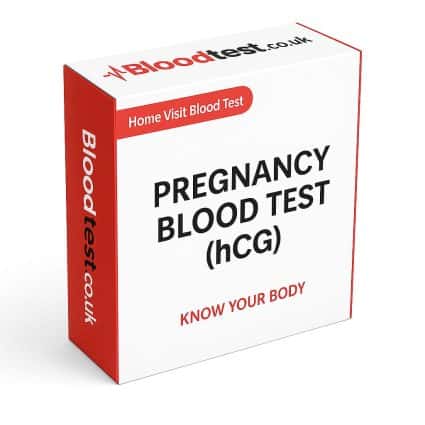

These tests are conducted following UK healthcare protocols, ensuring that expectant mothers receive comprehensive screenings tailored to their individual needs. Local clinics and NHS services provide these essential tests, delivering reliable results for effective health management and prenatal care.
Key Procedures Involved in the Blood Testing Process
The process of obtaining a pregnancy blood test in St Albans generally follows a structured protocol designed to ensure both safety and accuracy. Initially, individuals must schedule an appointment at a local clinic or NHS facility. During the visit, trained healthcare professionals will collect a blood sample, typically drawn from a vein in your arm. This procedure is quick and efficient, often taking less than five minutes.
Preparation for the test may vary; healthcare providers might advise fasting for several hours beforehand, particularly if the test involves glucose level assessments. Following the collection, the sample is sent to a laboratory for analysis, where rigorous UK medical standards are adhered to in order to guarantee that results are accurate and delivered promptly. Patients can generally expect to receive their results within a few days, and follow-up appointments will be scheduled to discuss findings and any necessary subsequent steps in their care.
How to Find Local Testing Services for Pregnancy Blood Tests
Accessing pregnancy blood tests in St Albans is quite straightforward, given that numerous local healthcare facilities are well-equipped to cater to expectant mothers. To locate appropriate services, individuals can either visit the NHS website or directly contact local clinics to gather information regarding availability and appointment scheduling. Most facilities now provide online booking options, significantly enhancing the convenience of the process.
Appointment wait times may vary; however, NHS services typically prioritise expectant mothers, ensuring timely access to essential testing. According to UK health policies, eligibility generally includes all pregnant women, with private testing options also available for those seeking quicker results or additional services. By utilising local resources, expectant mothers in St Albans can ensure they receive the critical care and monitoring they require throughout their pregnancy.
How Is a Pregnancy Blood Test Conducted in the UK?
Understanding the Blood Testing Process
Understanding how a pregnancy blood test operates is crucial for expectant mothers in St Albans. The testing process begins with the collection of a blood sample, which is typically obtained through venipuncture. This procedure entails inserting a needle into a vein, commonly in the arm, to draw a small amount of blood. Trained healthcare professionals carry out this process, adhering to strict hygiene and safety protocols.
Once collected, the blood sample is labelled and sent to a laboratory for analysis. In the lab, various assays are performed to measure hormone levels, including beta-hCG, which is essential for confirming pregnancy. The results are processed using state-of-the-art analytical techniques, ensuring a high degree of accuracy. This systematic approach enables reliable interpretation of results, providing timely insights into the health of both mother and baby.
What Are the Benefits of Opting for Blood Testing Over Other Methods?
Choosing a pregnancy blood test rather than traditional urine tests offers numerous advantages for women in St Albans. Primarily, blood tests can detect pregnancy sooner, often within a week of conception, while urine tests typically require a missed period for accurate readings. This early detection is vital for initiating prenatal care and making informed healthcare decisions.
Moreover, blood tests provide comprehensive insights that extend beyond simple pregnancy confirmation. They can identify hormonal imbalances and assess risks for complications such as ectopic pregnancies or miscarriages. The reliability and depth of information provided by blood tests make them a preferred choice for many expectant mothers. The ability to receive results quickly and discuss them with healthcare providers enhances the overall experience, allowing for proactive management throughout the pregnancy.
Interpreting Results and Their Importance in Prenatal Care
The interpretation of results from a pregnancy blood test is an essential aspect of prenatal care in St Albans. Upon receiving the results, healthcare professionals will evaluate the beta-hCG levels in the blood. A positive result generally confirms pregnancy, with rising hormone levels indicating healthy early gestation.
However, healthcare providers also monitor the rate at which hCG levels rise—this information is crucial for determining the viability of the pregnancy. Results showing lower-than-expected hormone levels may necessitate further testing or monitoring to rule out complications. In line with UK clinical practices, patients are encouraged to engage in follow-up discussions with their healthcare providers to contextualise the results and understand any necessary next steps, ensuring a well-informed and supportive experience.
Expert Insights on Pregnancy Blood Testing in St Albans
Steps to Ensure a Successful Blood Testing Experience
Preparing for a pregnancy blood test in St Albans involves several actionable steps to ensure a smooth experience. Firstly, book your appointment at a local clinic offering these services, whether through the NHS or private healthcare providers. It is advisable to confirm whether fasting is required before the test, particularly if you intend to undergo additional assessments, such as glucose or hormone level tests.
On the day of the test, arrive at the clinic on time, bringing any required documentation such as your NHS number or identification. When the healthcare professional prepares to draw your blood, they will explain the procedure, aiming to alleviate any anxiety you may have. This transparency is a common practice in UK healthcare settings, where patient comfort is prioritised. After your sample is collected, inquire about when you can expect your results and whether any follow-up appointments are necessary.
Gaining Valuable Insights from Healthcare Specialists
Seeking insights from specialists regarding pregnancy blood tests can be immensely beneficial for expectant mothers. Experts often emphasise the importance of understanding test results, particularly with respect to hormonal levels and their implications for maternal health. For example, an increase in progesterone levels can indicate that the pregnancy is progressing as expected, while fluctuations may require closer monitoring.
Additionally, specialists advocate for maintaining open communication with healthcare providers to discuss results and potential next steps. This collaboration fosters trust and enables mothers to make well-informed decisions regarding their prenatal care. By leveraging the expertise of healthcare professionals, expectant mothers can confidently navigate their pregnancy journey, ensuring that both their health and their baby’s are prioritised throughout.
Recognising Potential Risks and How to Mitigate Them
While pregnancy blood tests are generally safe, understanding the potential risks is essential for expectant mothers in St Albans. The most common risks associated with blood tests include discomfort at the injection site, bruising, or, in rare instances, infection. However, these risks can be significantly reduced by selecting reputable healthcare providers who adhere to stringent hygiene protocols.
Before the test, discussing any concerns with your healthcare provider can further alleviate anxiety and ensure a positive experience. After the test, it is advisable to keep the injection site clean and monitor for any unusual symptoms, such as excessive swelling or redness. Should any concerns arise, contacting your healthcare professional is vital for timely advice and management. Proactive measures greatly enhance safety and comfort during the testing process.
Innovative Advances in Pregnancy Blood Testing
Recent advancements in pregnancy blood tests have transformed the landscape of prenatal care in St Albans. Innovations such as Non-Invasive Prenatal Testing (NIPT) have emerged, allowing for early detection of genetic conditions without the associated risks of invasive procedures. These tests analyse small fragments of fetal DNA circulating in the mother’s blood, providing highly accurate results regarding chromosomal abnormalities.
Furthermore, advancements in laboratory technology have significantly improved both the speed and accuracy of test results. Techniques such as digital PCR and next-generation sequencing are now commonly employed, enabling healthcare providers to deliver timely insights to expectant mothers. These innovations not only enhance the efficiency of prenatal care but also empower women with knowledge, fostering informed decisions throughout their pregnancy.
What Are the Primary Benefits of Undergoing Pregnancy Blood Tests?
How Reliable Are Pregnancy Blood Tests Compared to Other Methods?
The reliability of pregnancy blood tests in the UK is exceptionally high, making them a trusted option for expectant mothers in St Albans. Blood tests can detect pregnancy as early as six to eight days after conception, which is significantly earlier than urine tests. Factors affecting accuracy include the timing of the test in relation to conception and the laboratory techniques employed during analysis.
In most instances, blood tests yield results with over 99% accuracy, particularly when assessing hormone levels. This high reliability is crucial for early health monitoring, allowing for swift interventions when necessary. For mothers-to-be, understanding the accuracy of these tests reinforces their importance in the broader context of prenatal care, ensuring that any health concerns are promptly addressed.
Health Benefits for Expectant Mothers
One of the primary health benefits of pregnancy blood tests is their ability to detect potential issues that may impact maternal wellbeing early on. These tests are designed not only to confirm pregnancy but also to identify underlying conditions that may require management, such as anaemia or thyroid dysfunction. This proactive approach aligns with standard UK prenatal protocols aimed at safeguarding maternal health.
Moreover, blood tests provide healthcare providers with vital information about the health status of both the mother and the baby, enabling tailored care plans that address specific needs. Such personalised approaches enhance overall health outcomes for both mother and child. By undergoing regular testing, mothers can stay informed about their health status and make necessary lifestyle adjustments, positively contributing to their pregnancy journey.
Supporting Family Planning Decisions
Pregnancy blood tests play an instrumental role in family planning by providing essential information to help couples make well-informed decisions. For families in St Albans, understanding genetic predispositions or potential health risks can be pivotal when planning their families. Blood tests provide insights into inherited conditions, enabling parents to prepare effectively and consider their options for future children.
Furthermore, these tests offer emotional and medical support resources, contributing to a holistic approach to family planning. In the UK, many clinics provide counselling services alongside testing, ensuring families have access to comprehensive care. This support network fosters confidence and empowerment in making decisions related to family growth and wellbeing.
Early Detection of Complications and Their Importance
Another significant advantage of undergoing pregnancy blood tests in the UK is the ability to identify potential complications early. Conditions such as gestational diabetes or preeclampsia can be promptly detected through routine blood screenings. Early detection allows for timely interventions, optimising health outcomes for both mothers and babies.
In St Albans, healthcare providers emphasise the importance of regular blood tests as part of prenatal care. By monitoring key health indicators, professionals can implement necessary lifestyle modifications or medical treatments to address emerging issues. This proactive approach not only enhances the safety of pregnancies but also significantly reduces the risk of complications during childbirth.
The Integral Role of Blood Tests in Comprehensive Prenatal Screening
Incorporating blood tests into broader prenatal screening programmes is essential for comprehensive care in the UK. These tests support a proactive approach to maternal and fetal health, providing critical insights that inform clinical decisions and family health planning. In St Albans, healthcare facilities increasingly adopt multidisciplinary strategies that integrate blood tests alongside ultrasounds and genetic screenings.
This cohesive framework strengthens the overall health monitoring process, offering expectant mothers peace of mind and reassurance. By harnessing the power of blood tests within a comprehensive screening programme, families can navigate their pregnancy journey with confidence, knowing they are receiving thorough and proactive care tailored to their unique circumstances.
Evidence-Based Benefits of Pregnancy Blood Tests in St Albans
Long-Term Health Advantages
Research indicates that pregnancy blood tests significantly contribute to improved long-term health outcomes for mothers and their babies. By facilitating the early detection of health issues, these tests empower healthcare providers to implement effective monitoring and prevention strategies. In St Albans, local studies support the assertion that early screening correlates with lower rates of complications during pregnancy and childbirth.
Moreover, ongoing data collection from blood tests enables continuous assessment of health trends, informing future healthcare practices. This evidence-based approach enhances the quality of care delivered to expectant mothers, ensuring that interventions are grounded in the latest research findings. Patience and understanding are vital components of this process, as regular testing fosters a proactive health management strategy.
Cost and Accessibility of Blood Tests
The affordability and accessibility of pregnancy blood tests in St Albans are crucial factors that families consider when planning their prenatal care. NHS funding often covers necessary tests for expectant mothers, ensuring that financial constraints do not impede access to essential healthcare services. For those opting for private services, a range of options are available at various price points, making it easier for families to find a suitable choice.
Healthcare providers in the region are committed to ensuring that all expectant mothers have access to the testing they need. This focus on accessibility is bolstered by community initiatives that raise awareness of available services. By navigating both NHS and private options, families in St Albans can make informed decisions about their healthcare based on their individual circumstances and preferences.
Emotional Support Resources for Expectant Parents
Managing anxiety related to pregnancy blood tests is an important consideration for expectant parents. In St Albans, healthcare providers recognise the emotional challenges that can accompany testing. Strategies such as counselling, support groups, and educational resources are readily available to assist individuals in navigating their feelings. Key support resources include:
- Counselling Services: Accessible through local clinics and hospitals.
- Support Groups: Facilitated by healthcare providers for expectant parents.
- Online Resources: Educational materials and forums for information sharing.
- Wellbeing Workshops: Sessions focused on mental health during pregnancy.
By seeking support and utilising available resources, expectant parents can effectively manage their anxiety and approach their pregnancy journey with confidence. Open communication with healthcare professionals also plays a significant role in alleviating fears, as professionals can provide reassurance and accurate information.
When Is the Optimal Time to Undergo a Pregnancy Blood Test?
Determining the Best Timing for Testing
The optimal timing for a pregnancy blood test largely depends on the individual’s stage of pregnancy. In the UK, testing is typically recommended as soon as a missed period is noted, generally around four to six weeks into the pregnancy. Early testing can confirm pregnancy and facilitate early prenatal care, both of which are crucial for ensuring a healthy pregnancy.
For those seeking genetic screenings or hormone-level assessments, healthcare providers may suggest additional tests at specific intervals during pregnancy to ensure optimal monitoring of both maternal and fetal health. Following UK guidelines, regular testing can help identify issues early, enabling timely interventions and support as necessary.
Recognising Signs That Indicate the Need for Testing
Expectant mothers may experience a variety of signs that suggest the need for a pregnancy blood test. Common indicators during early pregnancy include missed periods, unusual fatigue, nausea, and breast tenderness. Furthermore, healthcare providers recommend blood tests when there are concerns regarding potential complications, such as severe cramping or bleeding, to ensure prompt diagnosis and management.
Additionally, women with pre-existing health conditions or those who have faced complications in previous pregnancies are encouraged to consult their healthcare provider for testing as early as possible. Recognising and seeking appropriate testing is vital for the health and wellbeing of both mother and baby in St Albans.
Follow-Up Procedures After Initial Testing
After an initial pregnancy blood test, expectant mothers in St Albans should anticipate subsequent follow-up appointments. Healthcare providers typically schedule these follow-ups to discuss test results and any necessary next steps. Depending on the outcomes of the initial tests, further screenings or monitoring may be recommended to ensure the health of both the mother and the baby.
Mothers need to remain engaged in the follow-up process by asking questions and clarifying any uncertainties regarding their health status. Regular monitoring through additional blood tests can provide valuable insights into the progress of the pregnancy, allowing for adjustments to care plans as needed. This ongoing relationship between mothers and healthcare providers fosters a comprehensive approach to prenatal care, ensuring that families receive the support they require throughout their pregnancy journey.
Preparing Thoroughly for Your Pregnancy Blood Test in St Albans
Key Preparations Required Before the Test
Preparing for a pregnancy blood test involves several key steps to ensure a smooth experience. First, confirm with your healthcare provider whether fasting is required before the test. If so, patients should refrain from eating or drinking for a specified time before their appointment. Additionally, it is wise to gather necessary documentation, such as identification and any relevant medical history.
Before arriving at the clinic, consider jotting down any questions or concerns you may have regarding the test or your pregnancy journey. This preparation can help facilitate a productive discussion with healthcare professionals during your appointment, ensuring that you leave with a clear understanding of the process and subsequent steps. Proper preparation contributes to a positive experience and can alleviate any apprehensions about the testing procedure.
What to Expect on the Day of Your Blood Test
On the day of your pregnancy blood test, expect a straightforward process prioritising your comfort and wellbeing. Upon arrival at the clinic, you will typically check in, may need to provide identification, and confirm your appointment. Once you are called in, a healthcare professional will guide you through the procedure, explaining each step of the blood draw.
The actual blood collection is quick and usually takes less than five minutes. After collection, you will receive advice on any post-test care, such as applying pressure to the injection site to minimise bruising. Clinics usually inform patients about when they can expect their results, ensuring that you are aware of the next steps in your prenatal care journey.
Understanding Aftercare and Next Steps Following the Test
After undergoing a pregnancy blood test, it is essential for expectant mothers to comprehend aftercare and the next steps. Following the test, it is advisable to rest briefly and keep the injection site clean. If any unusual symptoms occur, such as increased swelling or pain, contact your healthcare provider immediately.
Regarding next steps, expect to receive results within a few days. Most clinics will arrange for a follow-up appointment to discuss findings, facilitating an open dialogue about any concerns and necessary actions based on test outcomes. This comprehensive approach to aftercare supports ongoing health monitoring, ensuring mothers receive the guidance and support they need throughout their pregnancy.
Addressing Common Concerns Related to Pregnancy Blood Testing
Pregnancy blood tests can elicit various concerns for expectant mothers, but understanding what is typical can help alleviate anxiety. Common worries may include fear of pain during the blood draw or concerns about the accuracy of test results. It is important to remember that the blood draw is typically quick and performed by trained professionals to ensure minimal discomfort.
In St Albans, healthcare providers encourage patients to voice any fears or questions they may have. Open communication fosters a better understanding of the testing process, helping mothers feel more at ease with the experience. By addressing these common concerns, healthcare professionals can cultivate a supportive environment, ensuring that expectant mothers feel informed and reassured throughout the testing process.
Effective Strategies for Booking and Scheduling Your Test
When booking a pregnancy blood test in St Albans, several strategies can streamline the scheduling process. First, consider reaching out to your healthcare provider well in advance to secure an appointment that aligns with your timeline. Many clinics offer online booking systems, making it convenient to find available slots that suit your schedule.
If delays occur or appointments are fully booked, do not hesitate to inquire about cancellation lists or alternative facilities with openings. Flexibility in scheduling can often lead to quicker access to tests. Additionally, preparing a list of your preferred times can help ensure a smoother booking process, enabling you to receive the care you require without unnecessary delays.
Frequently Asked Questions About Pregnancy Blood Testing
What is the primary purpose of a pregnancy blood test?
A pregnancy blood test measures hormone levels in your blood to confirm pregnancy, typically detecting the hormone hCG.
When is the earliest I can take a pregnancy blood test?
You can take a pregnancy blood test as early as six to eight days after conception for accurate results.
Are blood tests generally more reliable than urine tests?
Yes, blood tests are typically more accurate and can detect pregnancy earlier than urine tests.
What preparations should I make for the pregnancy test?
Preparation may include fasting for a few hours and bringing necessary documentation to your appointment.
How long can I expect to wait for my results?
Results from a pregnancy blood test are usually available within a few days after the sample is taken.
Can I still have a blood test if I already have pregnancy symptoms?
Yes, blood tests can confirm pregnancy and provide insights into hormone levels, regardless of symptoms.
What should I do if my test results are abnormal?
Abnormal results may necessitate further testing or monitoring; your healthcare provider will guide you on the next steps.
Is a referral necessary for a pregnancy blood test?
In the UK, a referral may not be necessary for a blood test if you are pregnant, but it is advisable to check with your healthcare provider.
Are there any risks associated with the blood test?
While risks are minimal, potential complications include discomfort or bruising at the injection site.
Can I access a pregnancy blood test privately?
Yes, numerous private clinics in St Albans offer pregnancy blood tests along with a variety of other services.
Join our community on Facebook for more information!
This Article Was First Found On https://bloodtest.co.uk
The Article Pregnancy Blood Test: Your Essential Guide in St Albans found first on https://electroquench.com