Quick Answer: Yes, landscaping can be done around a termite barrier, but there are three critical factors that can compromise its effectiveness: planting too close to the barrier, accumulating mulch or soil over it, and excessive watering. Keep a safe distance from the foundation, choose suitable mulch, and ensure the barrier is inspected after any significant gardening activities.
Landscaping significantly enhances both the aesthetic appeal and the value of your home. if not approached with care, it can inadvertently jeopardise your termite barriers.
Termite barriers play a crucial role in safeguarding your property against destructive termite infestations.
Unfortunately, specific landscaping techniques and maintenance routines can undermine these protective measures or render them ineffective.
Here’s what you need to consider to ensure your landscaping efforts protect against termite threats while preserving your barriers.

Crucial Information About Termite Barriers
Termite barriers consist of either physical or chemical systems installed around or beneath a property to prevent termite access. Every home should incorporate an effective termite management strategy, making it essential to understand the type of barrier installed at your residence.
A simple way to confirm this is by checking your electrical meter box, where details about the installed barrier are frequently located.
Such barriers are vital for protecting homes in regions like Sydney’s Hills District, which is notorious for high termite activity.
- Physical Barriers: Typically made from materials such as stainless steel mesh or graded stones, these barriers are buried underground to prevent termites from tunnelling through.
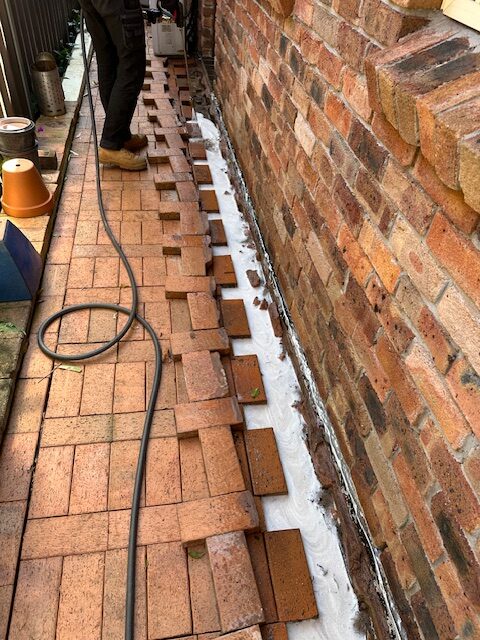
- Chemical Barriers: Liquid termiticides are applied to the soil surrounding a building, forming a treated zone that either repels or kills termites.
In What Ways Does Landscaping Affect Your Termite Barriers?
Certain landscaping practices can inadvertently harm or weaken termite barriers, creating potential entry points for infestations.
1. Planting Too Close to the Foundation
Positioning plants, shrubs, or trees too near your home can lead to several problems:
- Roots may penetrate physical barriers or disturb the treated soil of chemical barriers.
- Thick vegetation can retain moisture around the foundation, making it more appealing to termites.
2. Adding Soil or Mulch Near the Barrier
Placing soil or mulch too close to the foundation can create a pathway over chemical barriers, allowing termites to bypass your protection. Organic mulch, in particular, can provide food and shelter for termites.
3. Hardscaping and Paving Activities
Constructing patios, paving, or retaining walls near your property can disrupt termite barriers. Soil movement during these projects may break the chemical seal or create gaps in physical barriers.
4. Irrigation Systems
Overwatering or poorly designed irrigation systems can saturate the soil around your foundation, diluting the termiticides in chemical barriers and creating conditions conducive to termite activity.
Effective Landscaping Practices to Safeguard Termite Barriers
1. Maintain Sufficient Clearance
- Keep a minimum distance of 50cm between plants and trees and your home’s foundation.
- Select smaller, non-invasive plants with limited root systems.
2. Choose Termite-Resistant Mulch
- Opt for inorganic mulches like gravel or stone, or consider termite-resistant varieties such as cedar or cypress chips.
- Ensure mulch does not exceed 5cm in height and is kept at least 15cm away from the foundation.
3. Avoid Disrupting the Barrier
- Consult a professional before digging or installing features near your home to avoid disturbing termite barriers or bait systems.
- If soil alterations are necessary, have the barrier inspected and retreated as needed.
4. Thoughtfully Design Your Landscape
- Direct irrigation systems away from the foundation to prevent excessive moisture accumulation near the barrier.
- Implement root barriers for large trees to stop roots from invading termite protection zones.
- Identify termite reticulation pipes and ensure they are not damaged during landscaping activities.
What Actions Should You Take If Your Barrier is Compromised?
If your landscaping efforts or environmental factors have compromised your termite barrier, it’s essential to act quickly:
- Schedule a Professional Inspection: A qualified termite inspection can identify vulnerabilities and determine whether termites have breached the barrier.
- Reinforce the Barrier: Physical barriers may need repairs, while chemical barriers might require retreatment or replenishment to restore their protective function.
- Establish a Regular Monitoring Schedule: Routine termite inspections are crucial to ensure your barrier remains intact and protects your property.
Landscaping Strategies to Enhance Termite Protection
With careful planning, your landscaping can bolster your termite protection measures:
- Use gravel paths or decorative stones alongside the foundation to create a dry zone that discourages termites.
- Incorporate raised garden beds with adequate clearance from the house.
- Regularly trim back vegetation to encourage airflow and reduce moisture accumulation.
Landscaping doesn’t have to endanger your termite barrier.
By understanding the relationship between your garden design and termite protection, you can craft a beautiful, pest-free environment.
For expert advice on termite management or barrier maintenance, contact our team today.
We can help you secure your home while creating the landscape of your dreams.
Original Article First Published At: Landscaping with Termite Barriers
The Article: Termite Barriers for Effective Landscaping Solutions first appeared on https://writebuff.com
The Article Termite Barriers: Effective Solutions for Your Landscape Was Found On https://limitsofstrategy.com
The Article Termite Barriers: Top Solutions for Protecting Your Garden found first on https://electroquench.com